Written with insights from Yuri De Villiers, Recent winner of GM of the year at the FEDHASA awards and current Operations Director at Karongwe.
WHY KARONGWE IS ONE OF THE BEST PLACES TO SEE THE BIG 5
The best Big Five safaris begin with remarkable habitat.
Located within South Africa’s Greater Kruger ecosystem and the UNESCO-recognised Kruger-to-Canyons Biosphere, Karongwe benefits from one of Africa’s most ecologically significant wildlife regions.
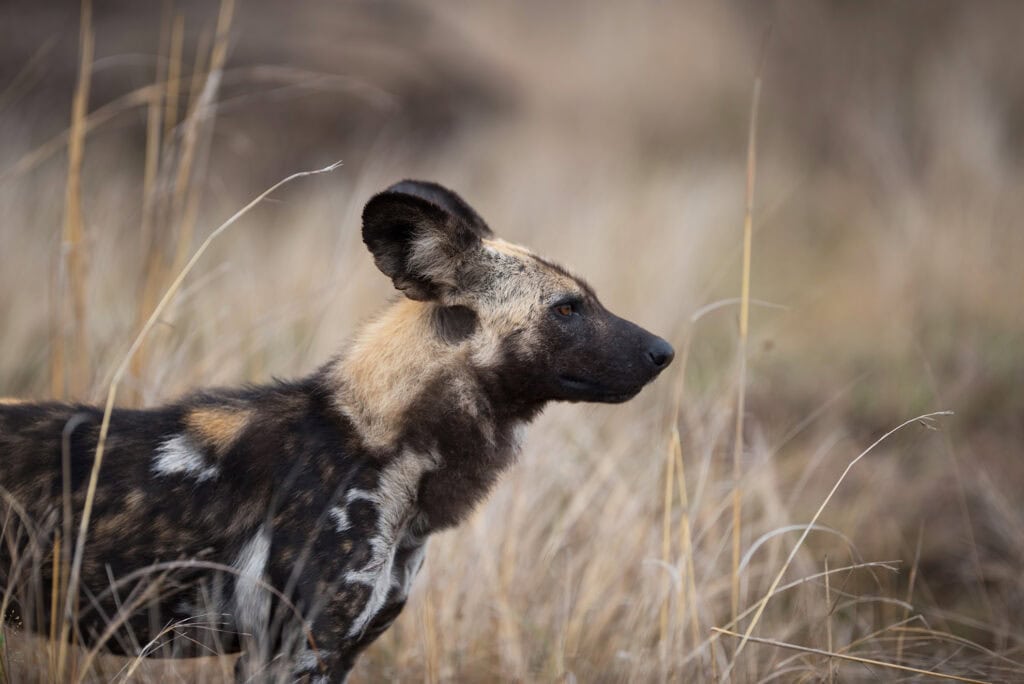
Six rivers flow through the reserve, creating diverse habitats that support the Big Five, cheetah, African wild dog and an extraordinary variety of birdlife throughout the year.
Combined with experienced guides and trackers, these landscapes create exceptional opportunities for meaningful wildlife encounters.
Karongwe at a Glance:
- Located in South Africa’s Greater Kruger ecosystem.
- Part of the UNESCO-recognised Kruger-to-Canyons Biosphere.
- Home to the Big Five, cheetah and African wild dog.
- Six rivers support diverse wildlife habitats.
- Guided by experienced rangers and trackers.
Best Safari in Africa: A Guide from the Field
The first sign is rarely the animal itself. It’s a fresh track pressed into the sand. An alarm call carried through the bush. A movement where there shouldn’t be one.
At Karongwe Private Game Reserve, game drives begin long before a sighting. They begin with observation, interpretation and experience. Every drive follows the same landscape, yet no two unfold in quite the same way.
Set within one of South Africa’s most ecologically significant wildlife regions, Karongwe is home to the Big Five, thriving populations of cheetah and African wild dog, six rivers, diverse habitats and some of the Greater Kruger’s most experienced guides and trackers.
This is what makes safari so compelling. Not simply the animals themselves, but the way each sighting unfolds.
And nowhere is that story told quite the same way twice.
Why This Is the Best Safari in Africa to See the Big 5
What makes a safari “the best” is not simply how many animals you see, but how you experience them.
At Karongwe, every sighting forms part of a larger story shaped by landscape, season, animal behaviour and the people who spend their lives interpreting the bush.
Situated within the Greater Kruger ecosystem, Karongwe combines exceptional wildlife viewing with a diverse landscape that supports lion, leopard, elephant, rhino and buffalo, alongside healthy populations of cheetah, African wild dog, giraffe, hippo, crocodile and abundant birdlife.
Wildlife sightings are never guaranteed. What Karongwe offers is something more valuable: the landscapes, expertise and ecological diversity that consistently create exceptional safari opportunities.
Explore Big Five experiences here: Karongwe Big 5 Plus.
About Big 5 Safaris: What They Really Mean
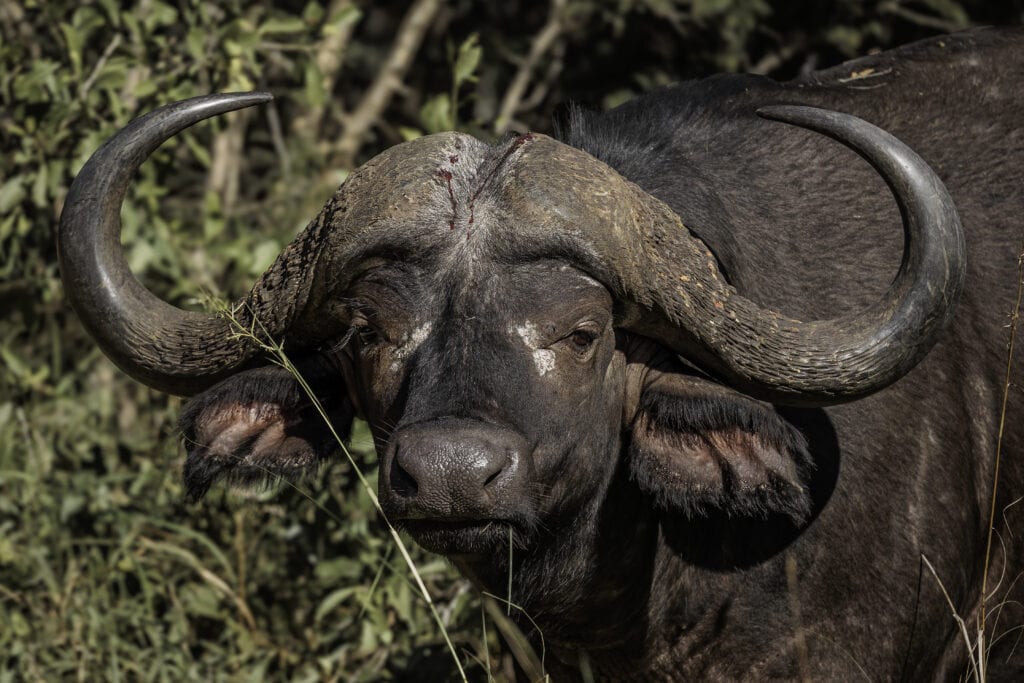
The Big Five refers to lion, leopard, elephant, buffalo and rhino.
The term originated during the era of big-game hunting, referring to the five animals considered the most difficult and dangerous to hunt on foot.
Today, that meaning has changed entirely.
The Big Five have become symbols of Africa’s remarkable biodiversity and conservation success. They remain among the most sought-after wildlife sightings in the world and continue to inspire travellers from every corner of the globe.
For many guests, seeing all five is a memorable achievement.
For others, the real reward lies in understanding the landscape and ecosystems that support them.
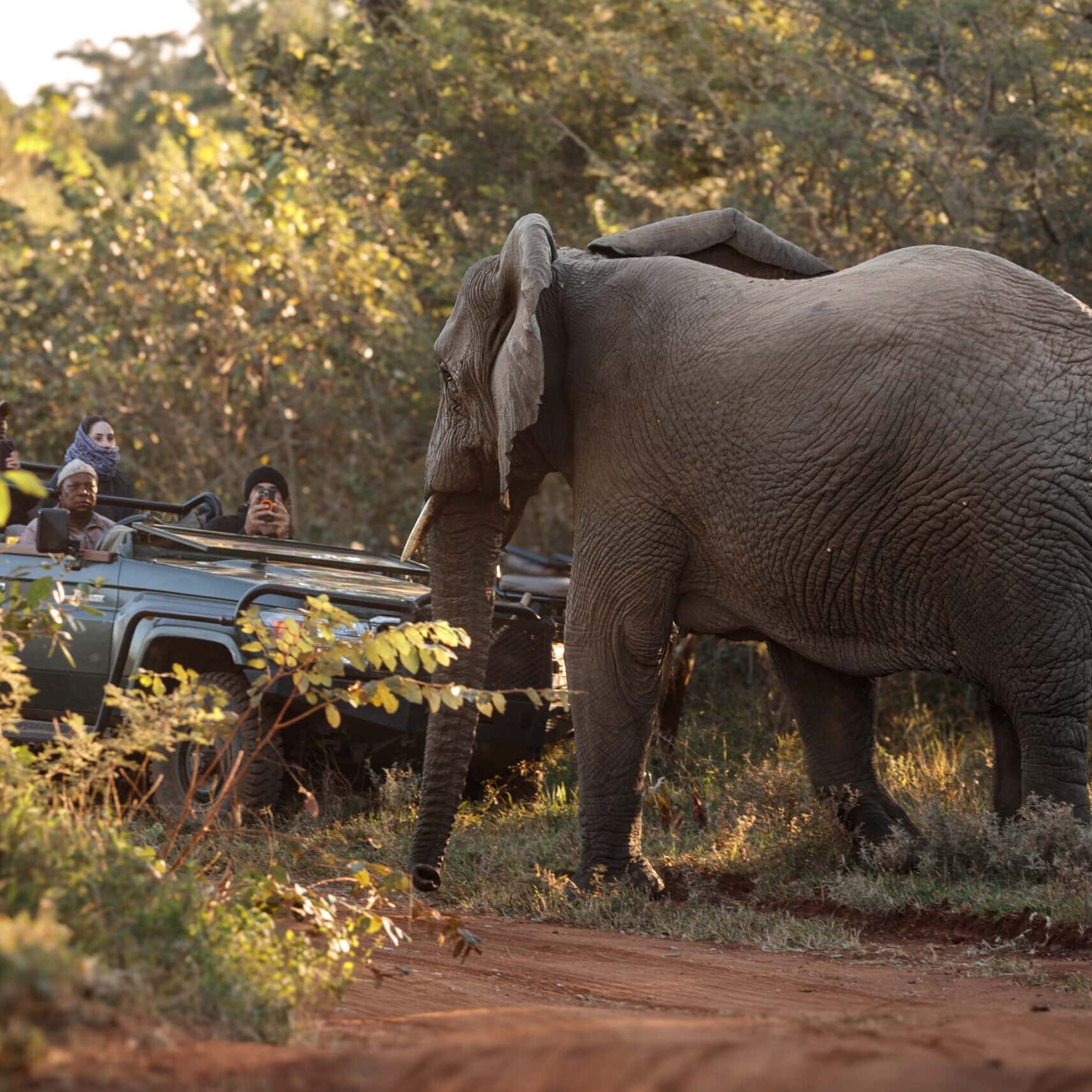
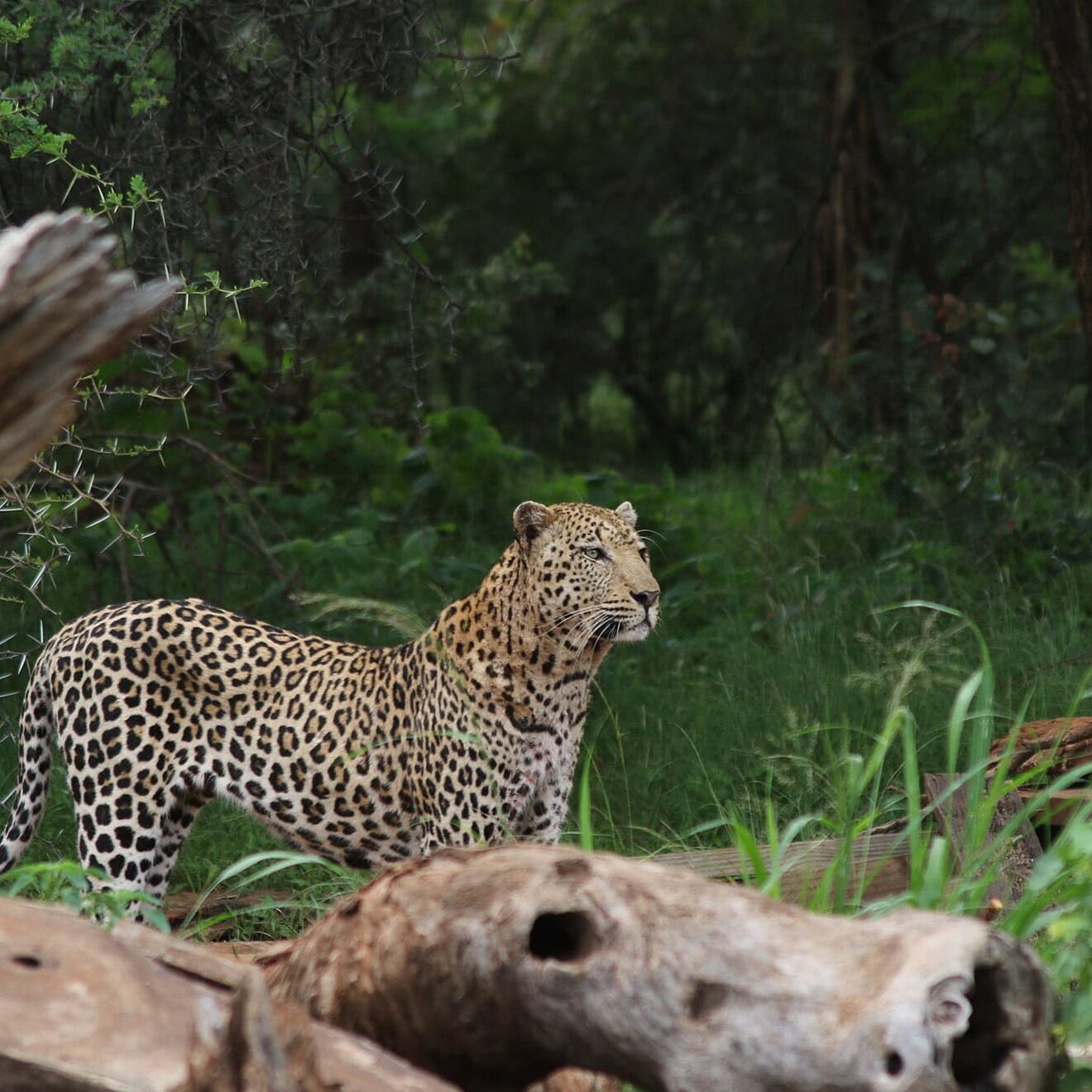
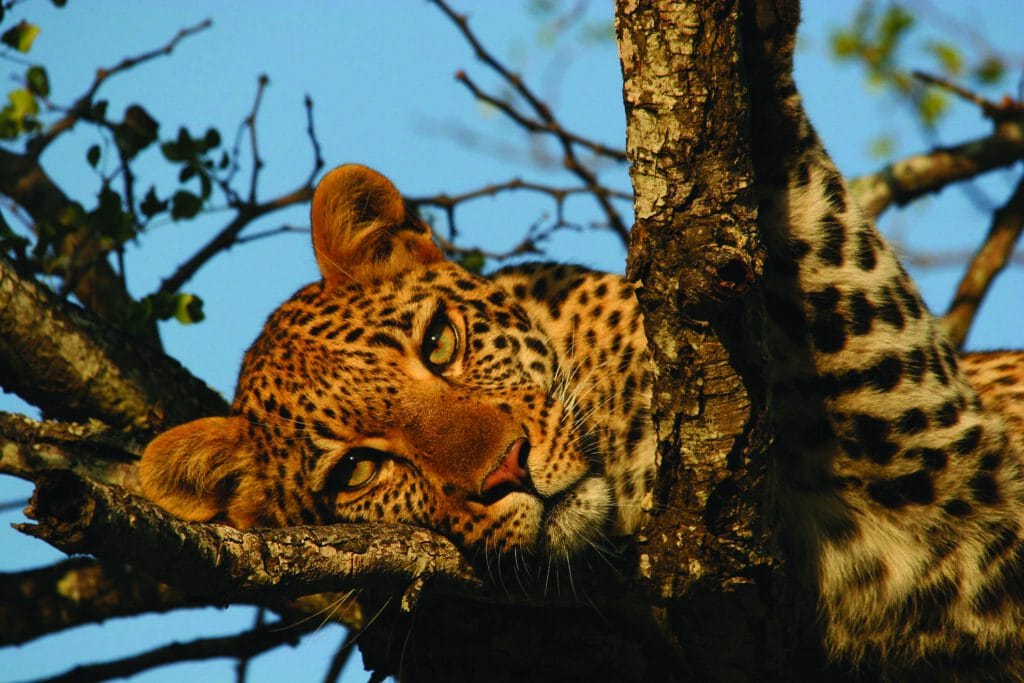
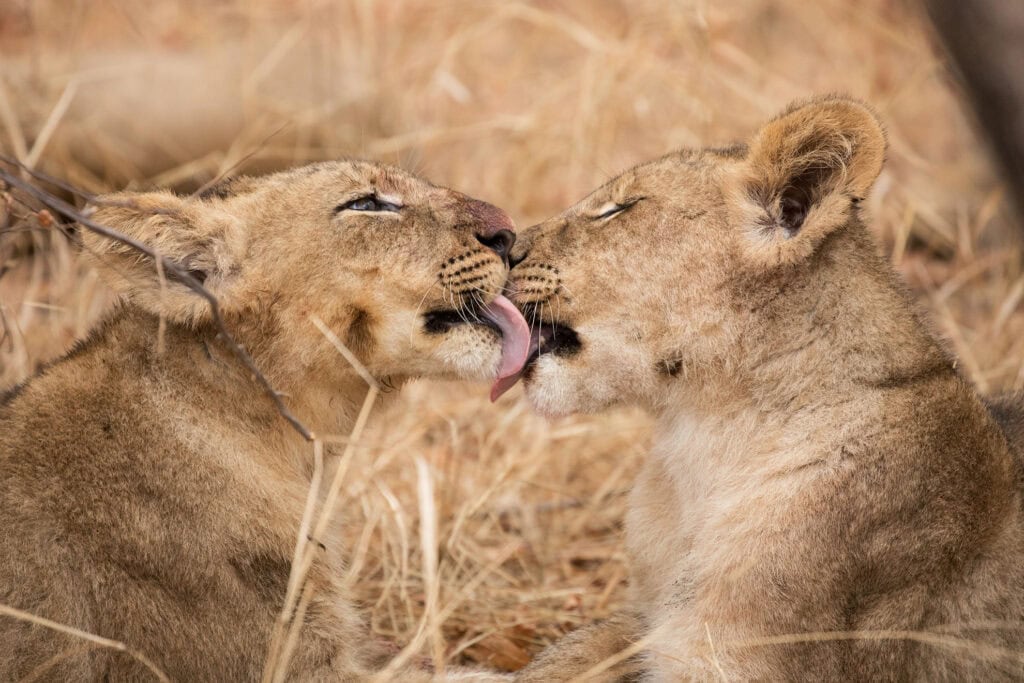
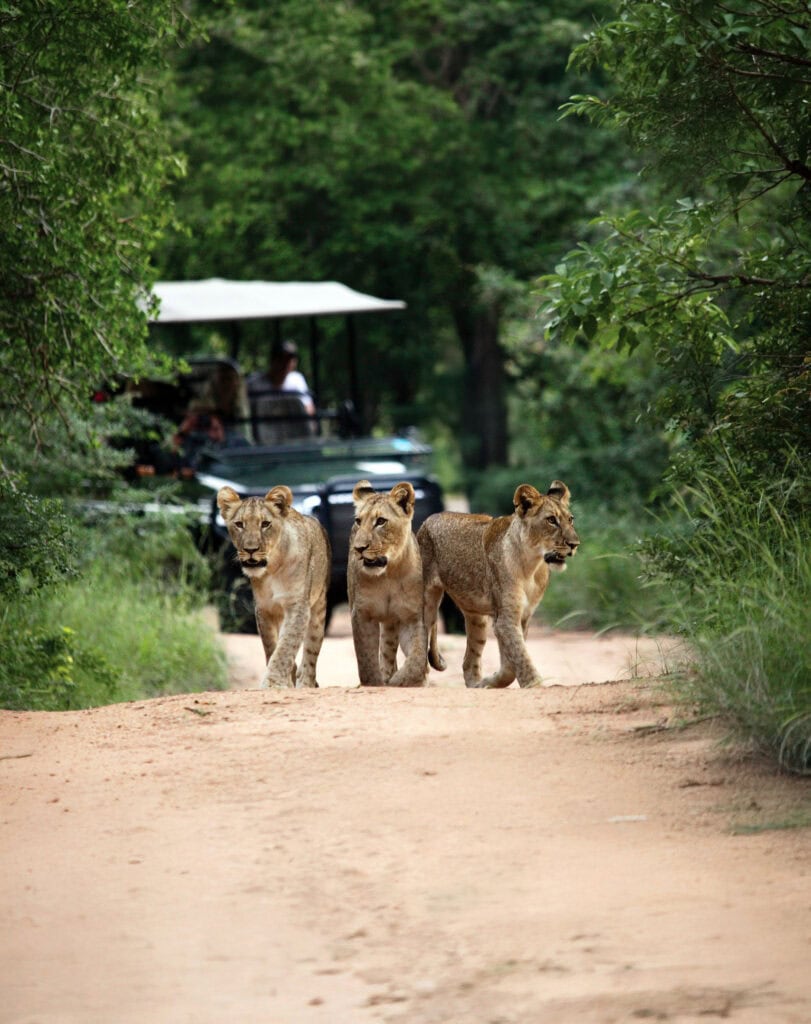
At Karongwe, a morning drive may begin with fresh lion tracks and end with a conversation about cheetah conservation. A leopard sighting may lead to discussions around territorial behaviour, habitat, prey availability and the role predators play within a healthy ecosystem.
The Big Five may bring guests here.
Understanding the wild is often what stays with them.
Tracking the Big 5: Where Experience Becomes Art
Wildlife sightings rarely happen by chance.
Behind every memorable safari experience is a combination of fieldcraft, experience and observation.
Karongwe’s guides and trackers work together to interpret spoor, animal behaviour, bird calls, scent markings and movement patterns throughout the reserve.
This is particularly important when tracking predators such as lion, leopard and African wild dog.
Every drive becomes a process of reading the landscape.
Guests witness not only the sighting itself, but the expertise required to find it.
The first sign is not always the animal itself.
It may be a fresh track in the sand. An alarm call from a nearby impala. A sudden change in the behaviour of animals nearby.
What appear to be separate clues gradually form a picture.
And when the animal finally appears, the story suddenly makes sense.
Luxury in the Wild: The Karongwe Experience
Much of safari is defined by what happens between the sightings.
Morning coffee overlooking the Makhutswi river. Conversations with guides and trackers. Evenings spent sharing stories around the fire.
Across Karongwe’s collection of luxury lodges and villas, guests experience the reserve through different lenses, yet remain connected to the same landscape, wildlife and purpose.
Whether staying at Becks Safari Lodge, Kuname Lodge, River Lodge, Chisomo Safari Camp, Shiduli Private Game Lodge or the exclusive Noka Camp, every experience remains rooted in the reserve itself.
The experience is refined without losing its connection to place.
Luxury here is not separate from the wilderness.
It exists because of it.
Explore stays and experiences here: Karongwe Experiences.
What Expert Travellers Pack for a Big 5 Safari
Experienced safari travellers pack with intention rather than excess.
Neutral-coloured clothing helps guests blend naturally into the environment and reduces unnecessary visual disturbance during wildlife encounters. Layering is recommended, particularly during winter when early mornings can be cold before temperatures rise later in the day.
Binoculars significantly enhance wildlife viewing, while cameras with zoom lenses are useful for photography enthusiasts hoping to capture memorable sightings.
Sun protection, insect repellent and any necessary personal medication should also be included.
Comfortable walking shoes are recommended for time spent around the lodge and selected safari activities.
The guiding principle is simple: prepare for the bush, not for the lodge.
Best Time to Experience the Big 5 in Africa
The dry winter months, typically from May to September, are often considered the best time for wildlife viewing.
Vegetation becomes less dense, water sources become more concentrated and animals are generally easier to locate.
Winter is also when many guests experience Karongwe’s renowned predator sightings, particularly leopard activity around river systems and key game-viewing areas.
Summer reveals a different side of the reserve. The landscape becomes greener, migratory birds arrive, young animals appear and afternoon thunderstorms bring renewed energy to the bush.
For photographers, birders and guests who enjoy dramatic landscapes, summer offers exceptional rewards.
Neither season is better.
Each simply reveals a different side of the same ecosystem. Choosing the right time depends on the safari experience you want to have.
Why Booking Direct Matters More Than You Think
Booking directly with Karongwe Private Game Reserve allows guests to access the most accurate information, personalised recommendations and current offers.
It also provides direct access to the reservations team, helping guests choose the lodge, season and experience best suited to their interests.
Whether planning a romantic safari, family holiday, photographic adventure or multi-generational celebration, the team can recommend the most suitable lodge, activities and travel arrangements.
From first enquiry to final departure, the same team remains invested in delivering an exceptional safari experience.
That continuity often translates into a more seamless and personalised journey.
Your Big 5 Journey Begins Here
At Karongwe, the Big Five are part of a much larger story.
A story shaped by wildlife, landscape, conservation and community.
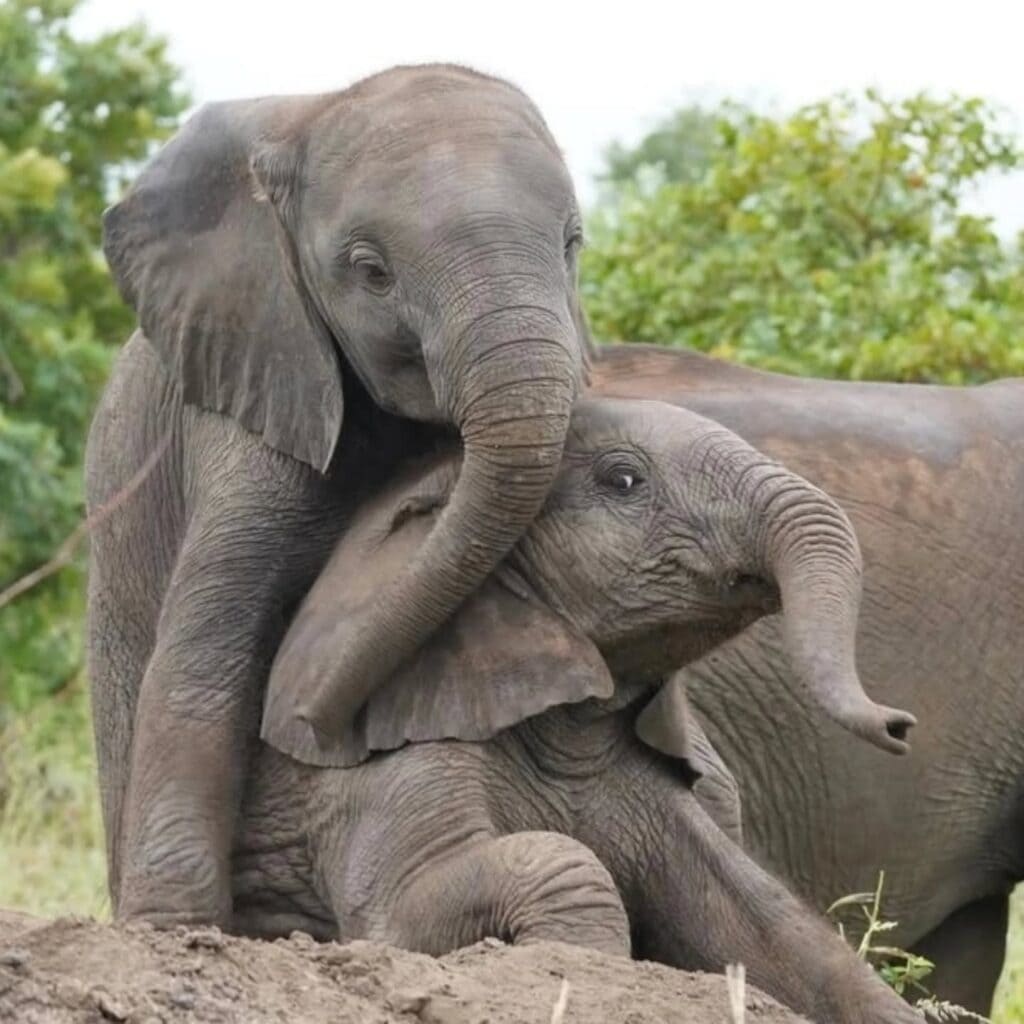
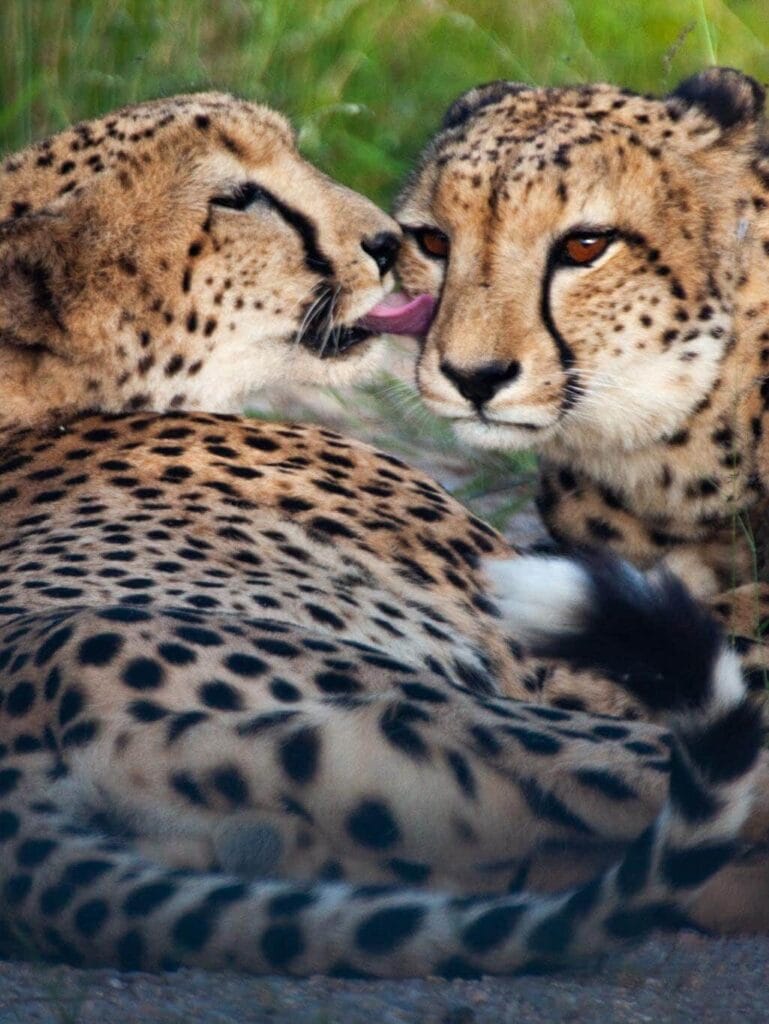
It is a story told through leopard tracks pressed into the sand, wild dogs moving through the bush at first light, cheetahs scanning open plains and elephants gathering along riverbanks.
It is a story shaped by experienced guides and trackers, meaningful conservation initiatives and a landscape that forms part of the UNESCO-recognised Kruger-to-Canyons Biosphere.
Every drive offers the possibility of something extraordinary.
Not because it is guaranteed.
Because it is wild.
Start your journey here: Karongwe Private Game Reserve.
Frequently Asked Questions
More Stories