Before the sun lifts over the riverbanks, the bush moves differently.
Somewhere beyond the tamboti trees, an impala freezes mid-step, listening toward something unseen. Then silence returns.
This is often how a leopard safari begins, not with spectacle, but with suggestion.
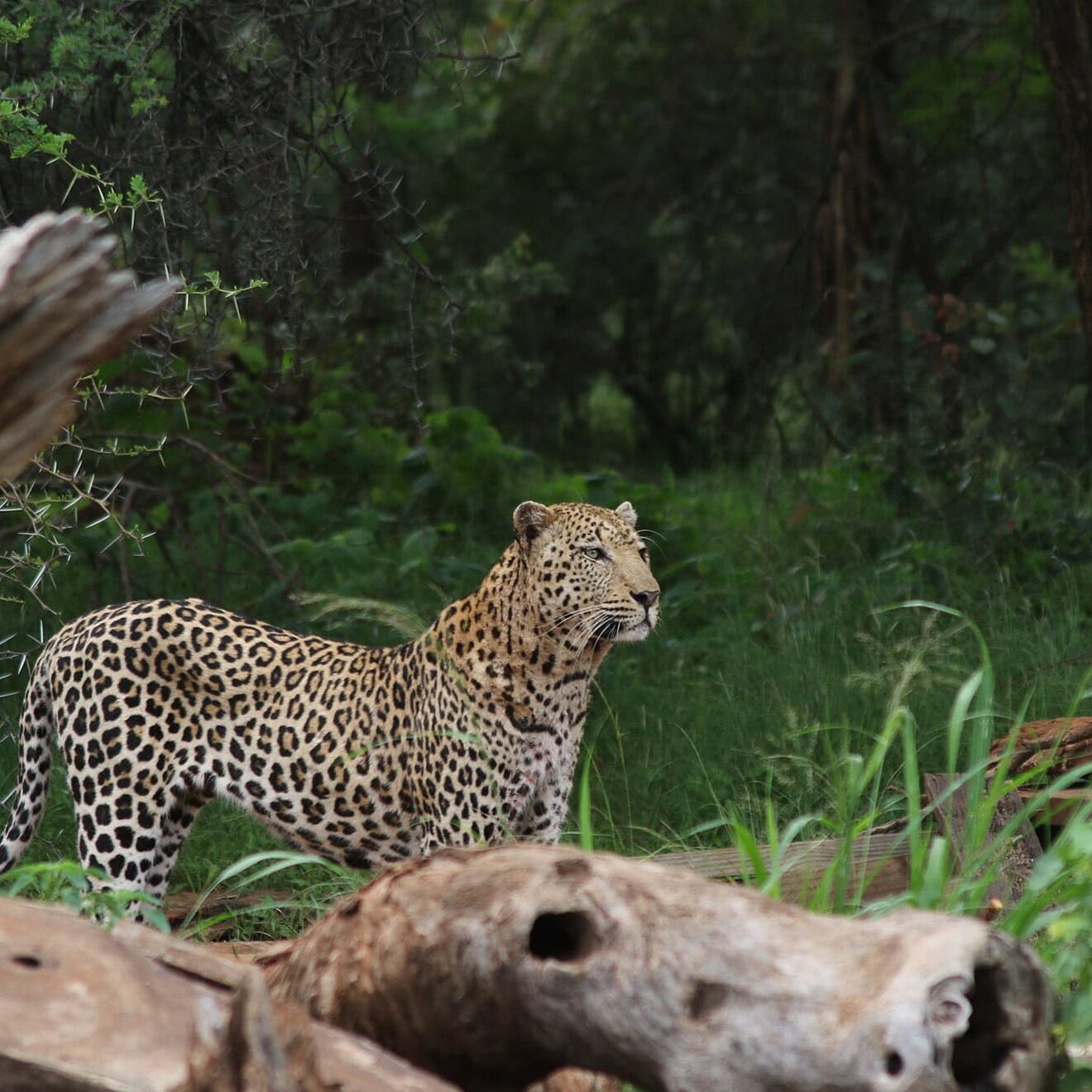
Karongwe is widely regarded as one of the strongest leopard-viewing destinations within the Greater Kruger region, offering guests exceptional opportunities to encounter Africa’s most elusive big cat.
Among Africa’s Big 5, no animal carries the same sense of mystery as the leopard. Lions are more audible and visible. Elephants reshape the landscape as they move through it. Leopards do the opposite. They slip between shadows. They disappear into riverine thickets. They watch long before they’re seen.
For many wildlife enthusiasts, spotting a wild leopard is the defining moment of a safari in South Africa. Not simply because it’s rare, but because it feels earned.
At Karongwe Private Game Reserve, leopard safaris unfold within one of the Greater Kruger’s most rewarding leopard-viewing landscapes. Healthy prey populations, extensive river systems and experienced tracking teams have helped establish Karongwe as one of South Africa’s leading destinations for leopard sightings.
While no ethical safari can ever guarantee an encounter, leopard sightings are a regular and memorable part of the Karongwe experience.
Why Are Leopards So Hard to Spot?
Despite their elusive nature, Karongwe enjoys a strong reputation for leopard sightings within the Greater Kruger region. The reserve’s river systems, healthy prey base and experienced tracking teams combine to create exceptional leopard-viewing opportunities throughout the year.
Solitary Masters of Stealth
Leopards don’t move through the wild in prides or herds. They move alone.
This solitude is part of what makes leopard safaris so compelling. A sighting never feels routine. It feels momentary, a crossing between your world and theirs.
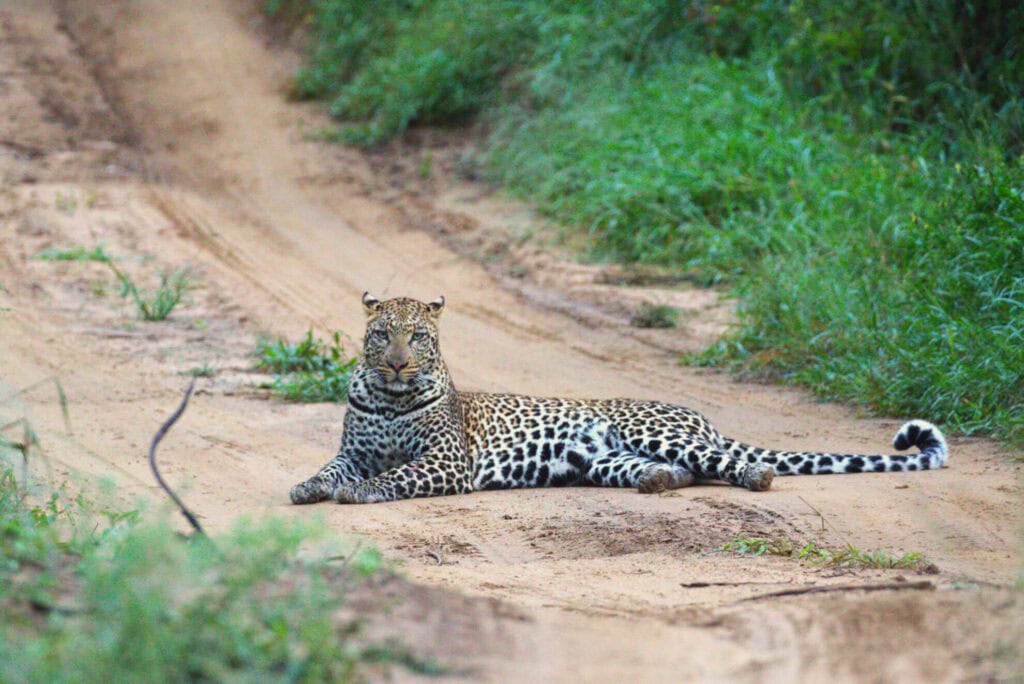
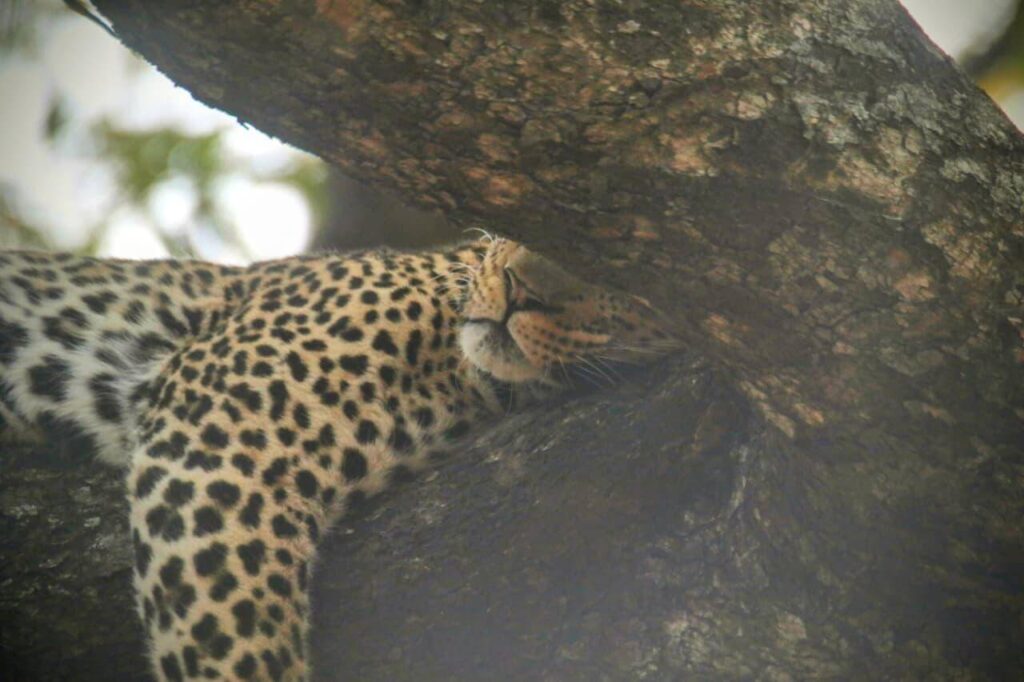
Leopards rely on concealment and caution. They’re primarily nocturnal and crepuscular, becoming most active during the cooler hours of dusk, night, and early morning. Even during daylight, they remain alert and elusive, often resting in dense vegetation where dappled light breaks apart their outline completely.
Many guests are surprised by how invisible a leopard can become, even when it’s only metres away.
The Ultimate Camouflage
A leopard’s rosettes are more than beautiful markings. They’re evolutionary precision.
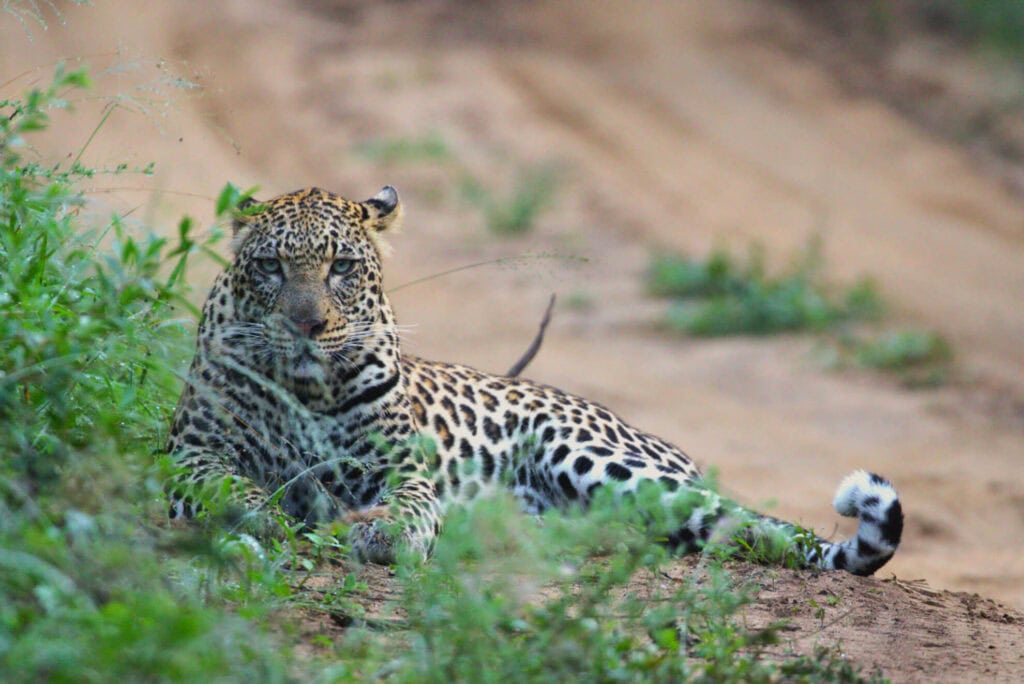
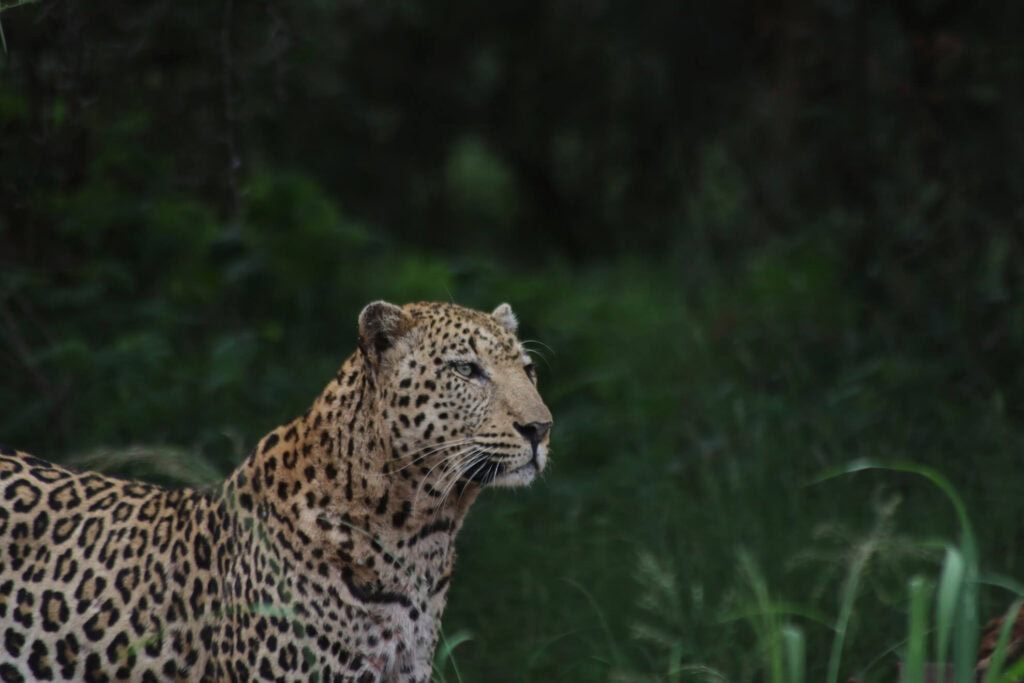
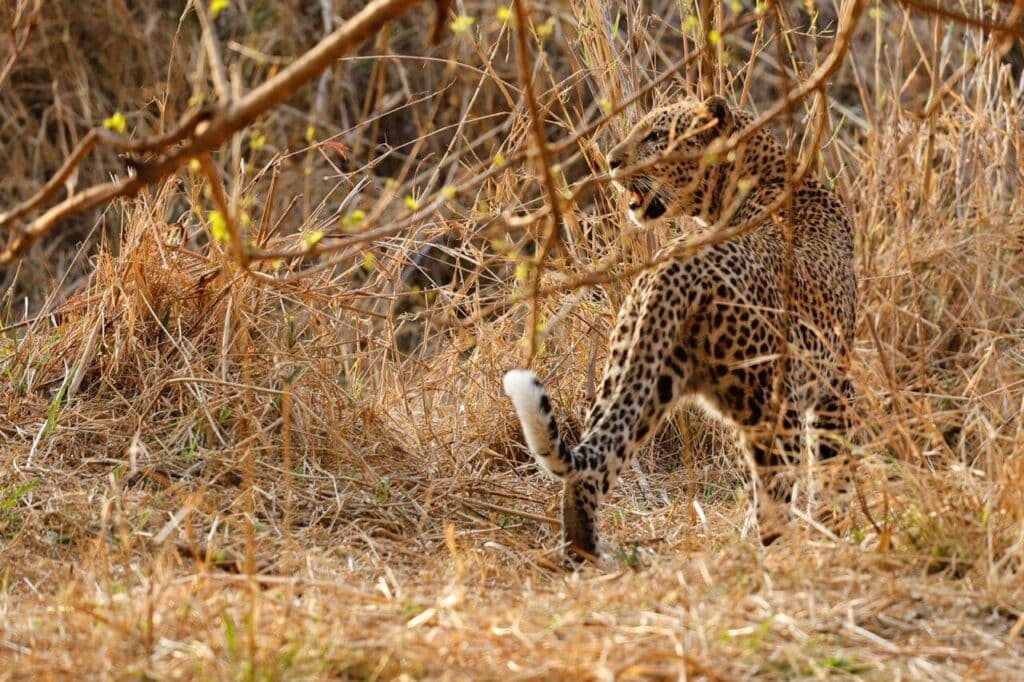
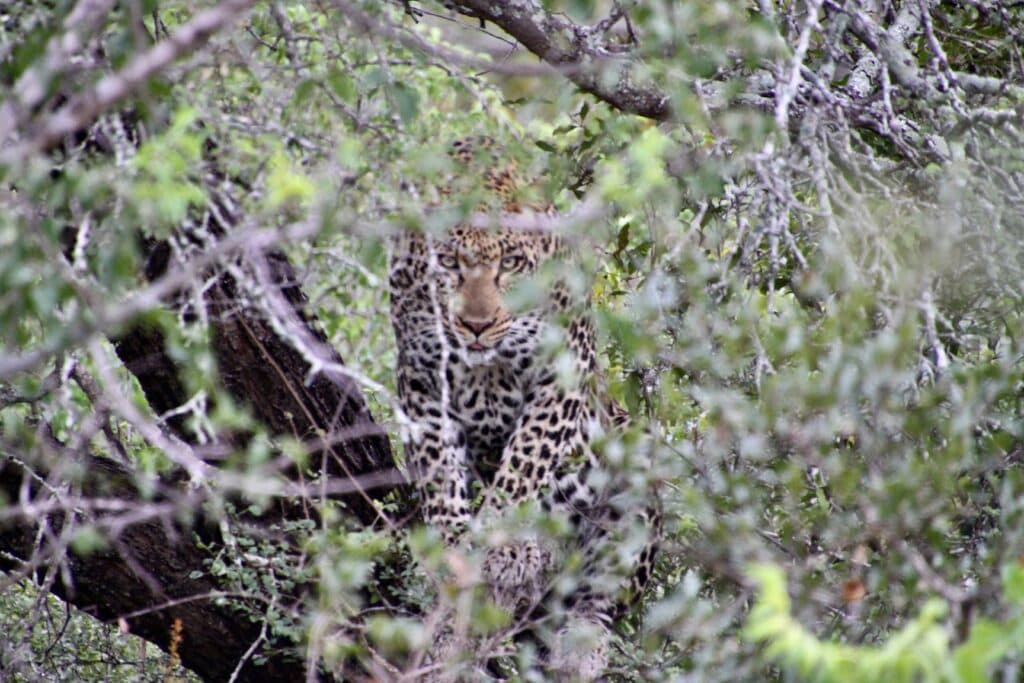
In the shifting light beneath fever trees and riverine canopy, those patterns dissolve seamlessly into shadow and texture. The dense habitats found throughout the Greater Kruger region, particularly along rivers and drainage lines, offer exactly the kind of layered cover leopards prefer.
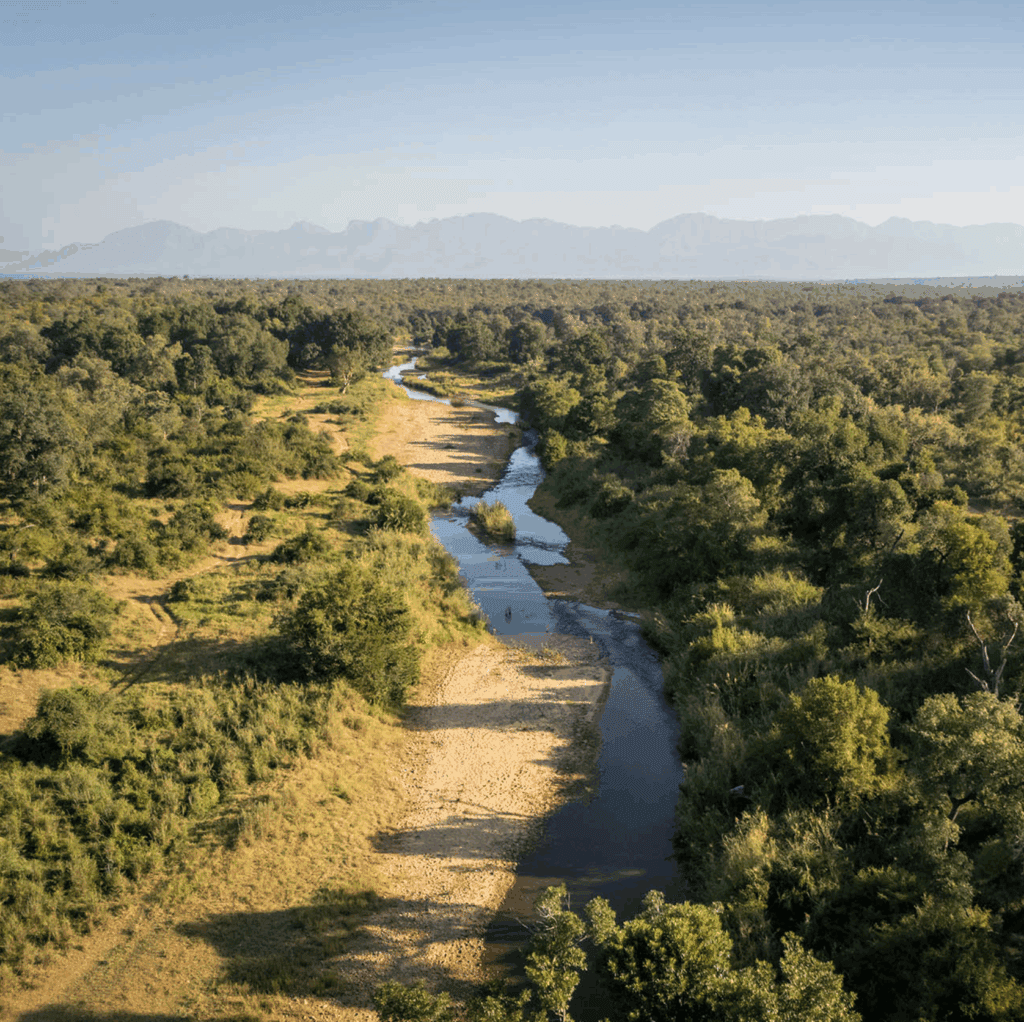
At Karongwe, the reserve’s six rivers shape more than scenery. They create movement corridors, shelter, prey access, and rich vegetation that support thriving predator populations. It’s a landscape where concealment comes naturally.
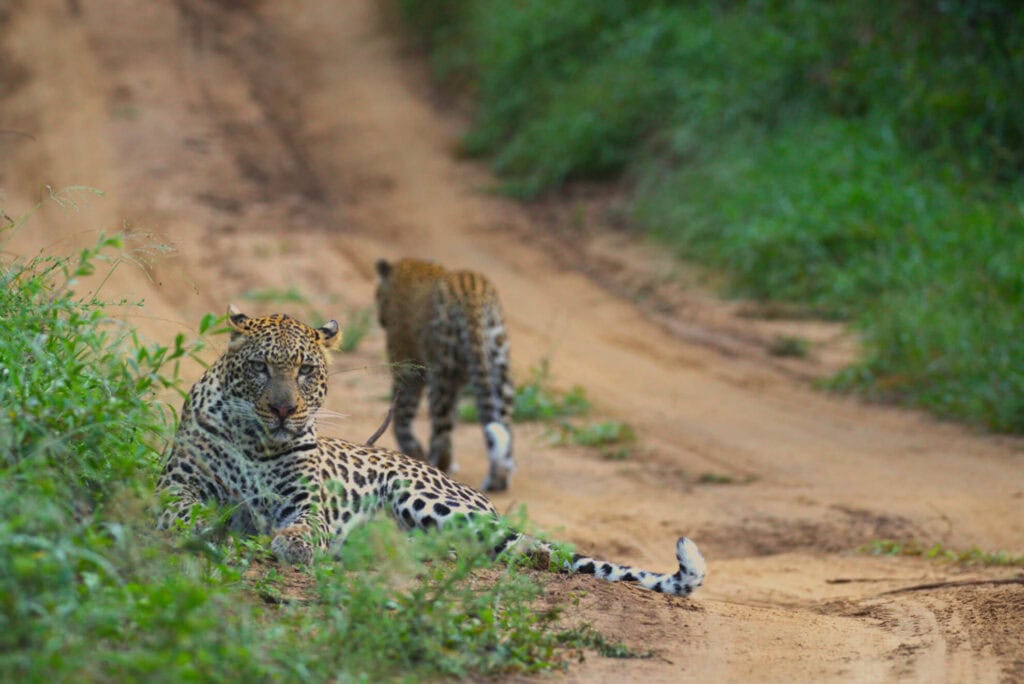
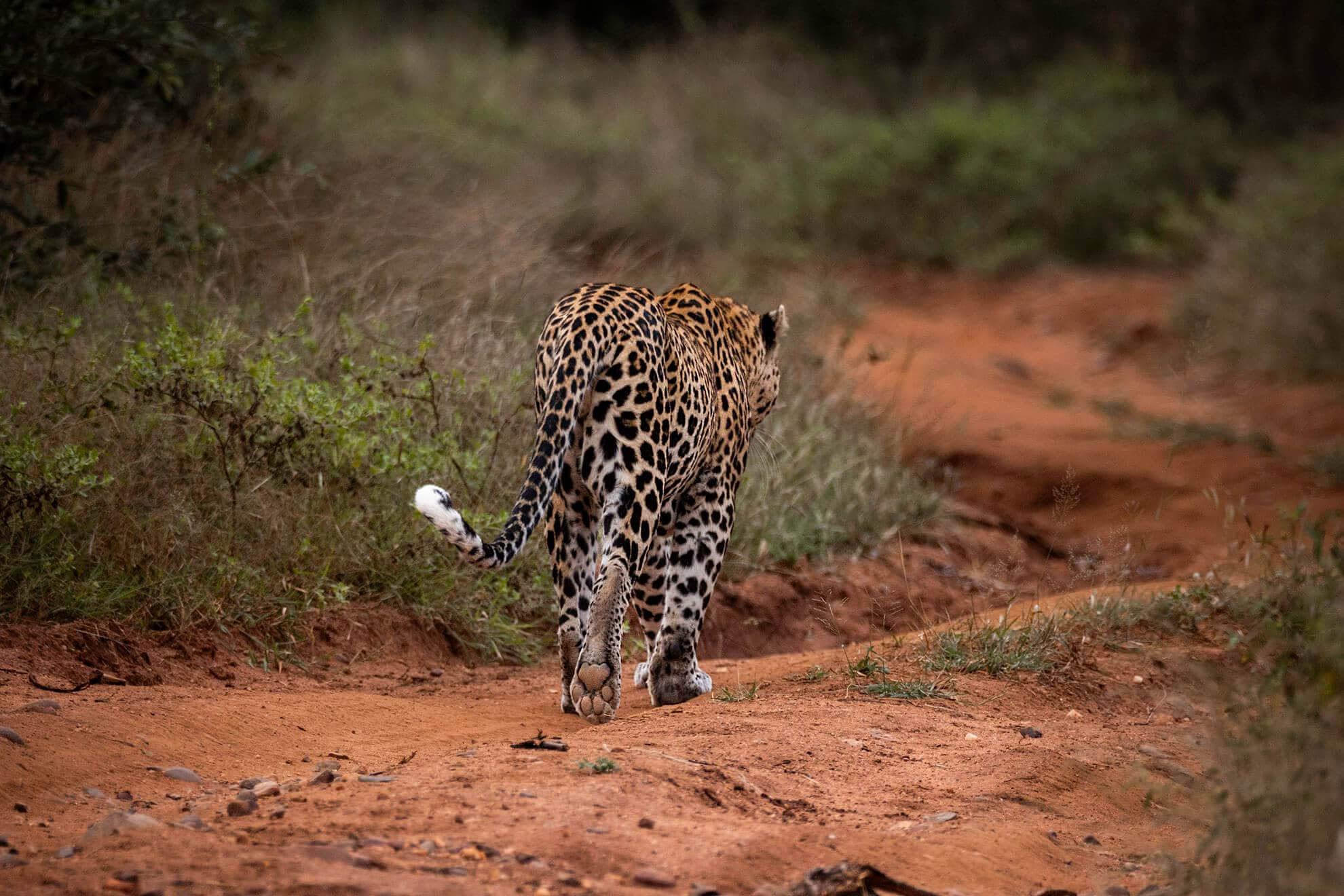
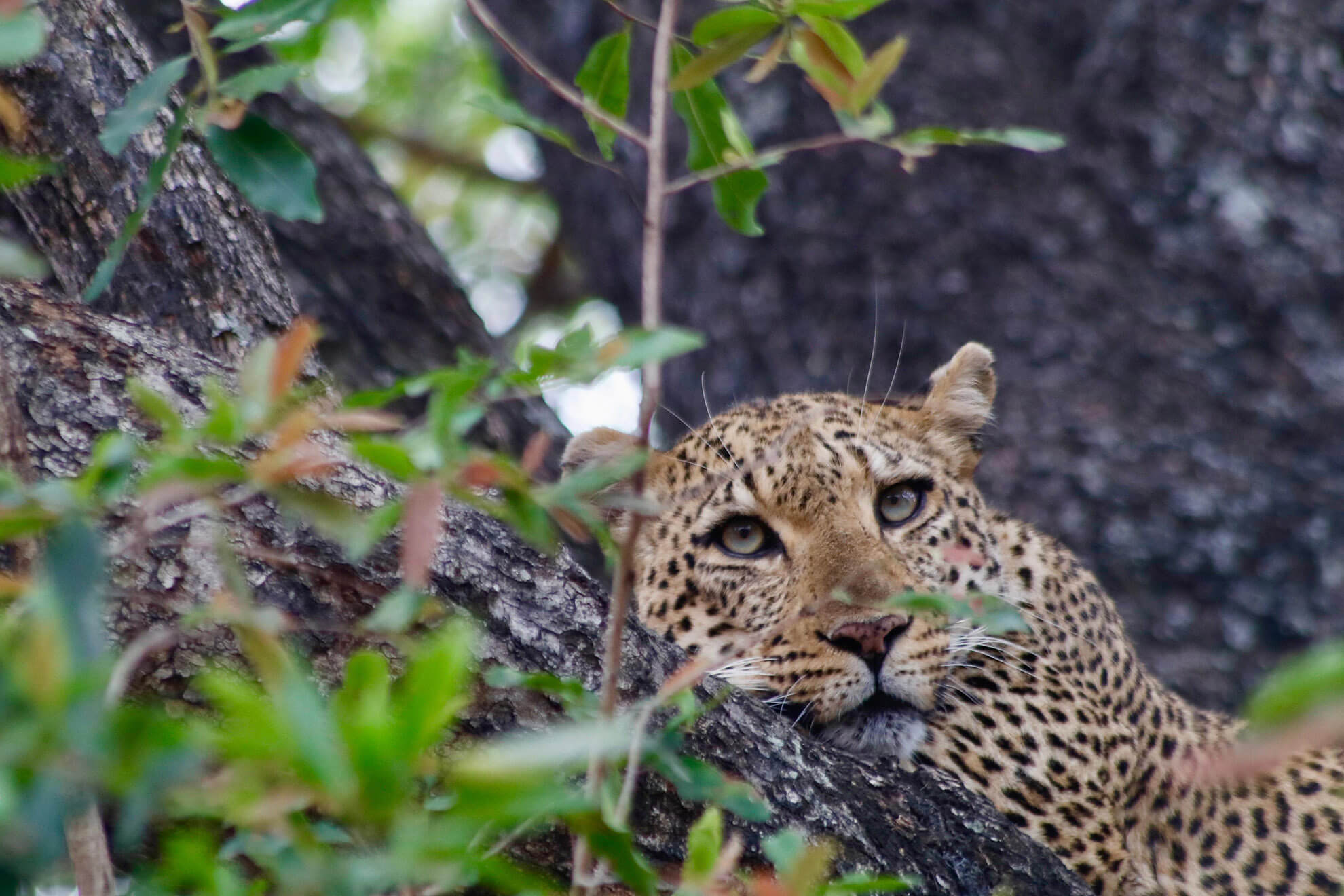
On many leopard safaris, the first glimpse isn’t the full animal, but a detail: a tail hanging over a branch, a flicker of movement through reeds, the pale green reflection of eyes at dusk.
Life in the Trees
Leopards also move vertically through the landscape in ways few predators can match.
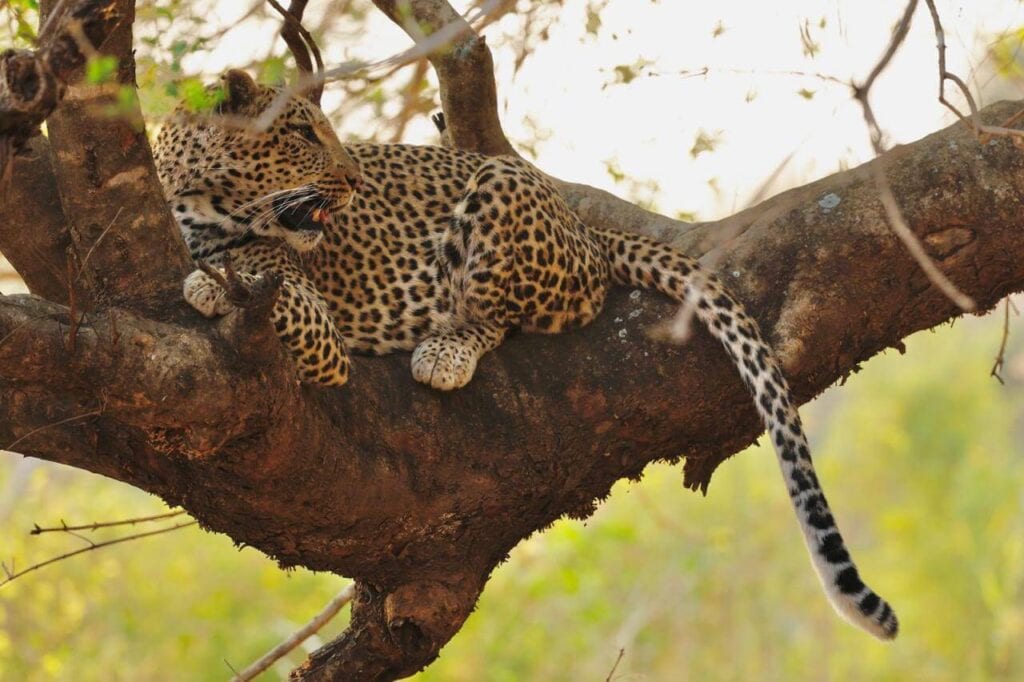
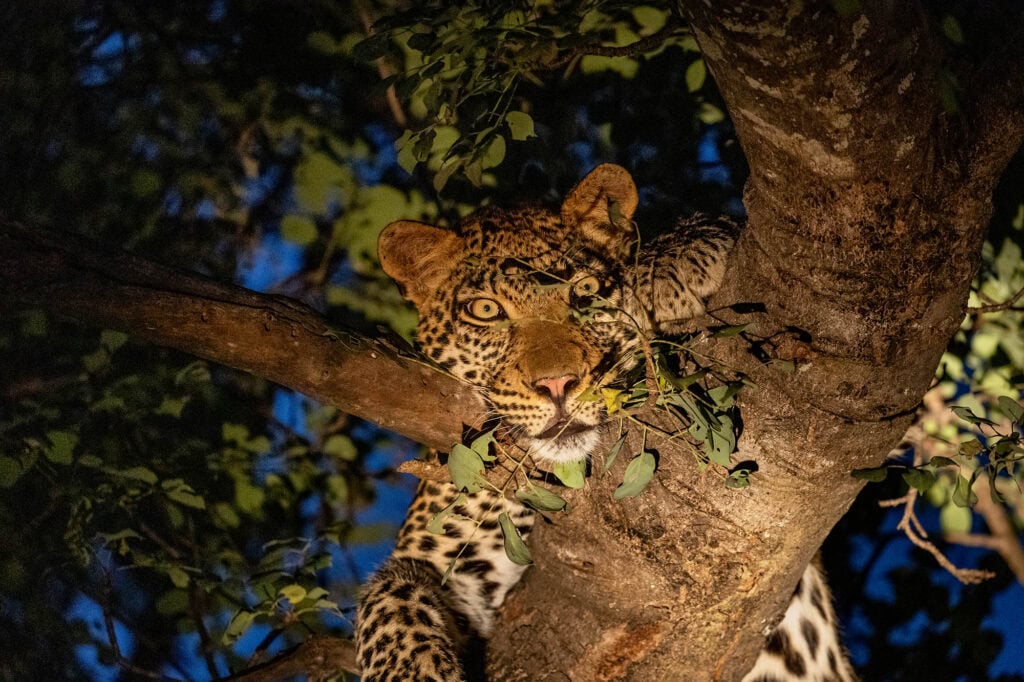
Powerful climbers, they frequently drag prey high into tree canopies to protect it from scavengers like hyenas or lions. Impala, warthog, and even heavier kills can be hauled upward with astonishing strength and precision.
It means that on leopard tours, trackers aren’t only reading the ground. They’re reading the trees.
A shape balanced across a marula branch. Fresh claw marks in the bark. Vultures circling above a riverbed. Often, the bush reveals the leopard indirectly before the animal itself appears.
What to Expect on a Dedicated Leopard Safari
The Crucial Role of Expert Trackers
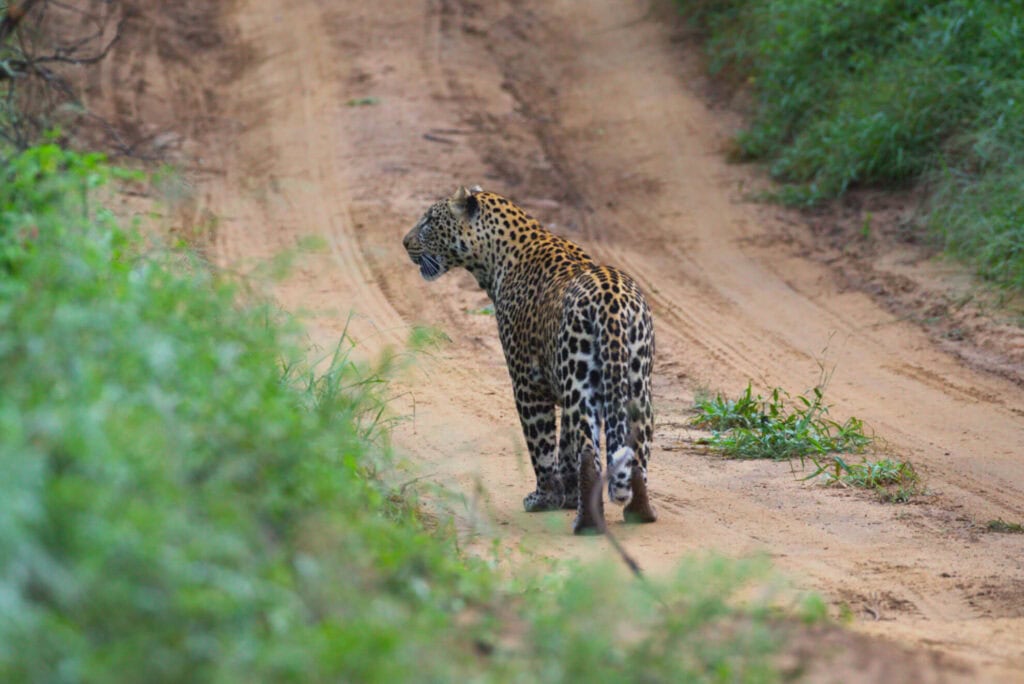
A leopard safari is rarely about luck alone. Although Karongwe is widely regarded as one of the leading leopard-viewing destinations within the Greater Kruger region, it begins with people who understand how to listen to the landscape.
Experienced trackers and guides read the bush through layers of information that many guests initially overlook: fresh pugmarks pressed into sand, territorial scratchings on tree trunks, alarm calls from monkeys high in the canopy, or the restless behaviour of antelope moving through dense cover.
Every sign matters.
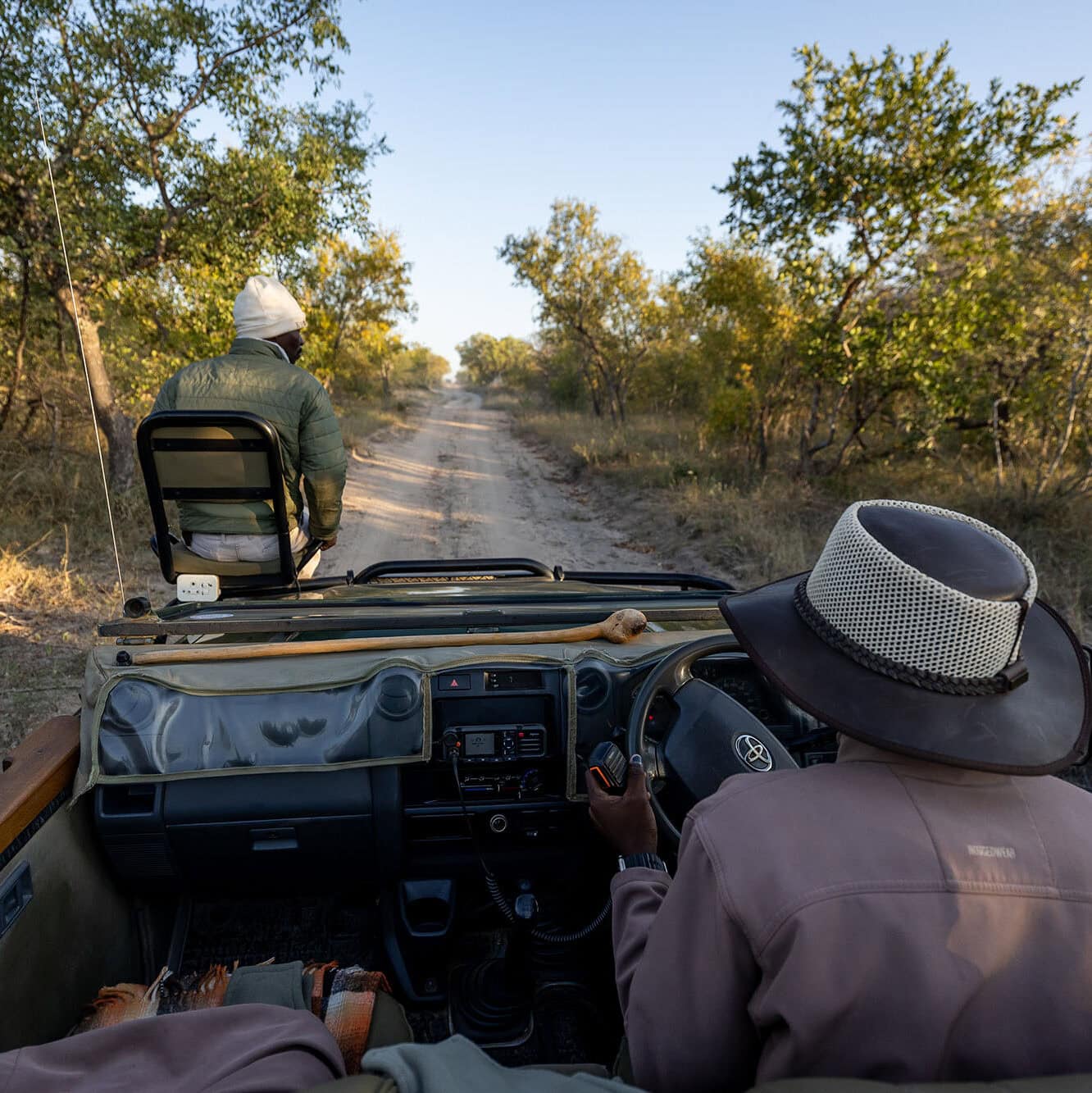
At Karongwe, guides move through the reserve with an attentiveness shaped by repetition, observation, and deep familiarity with the rhythms of the land. Tracking becomes less about chasing sightings and more about understanding movement, where a leopard may have crossed, paused, hunted, or settled before daylight.
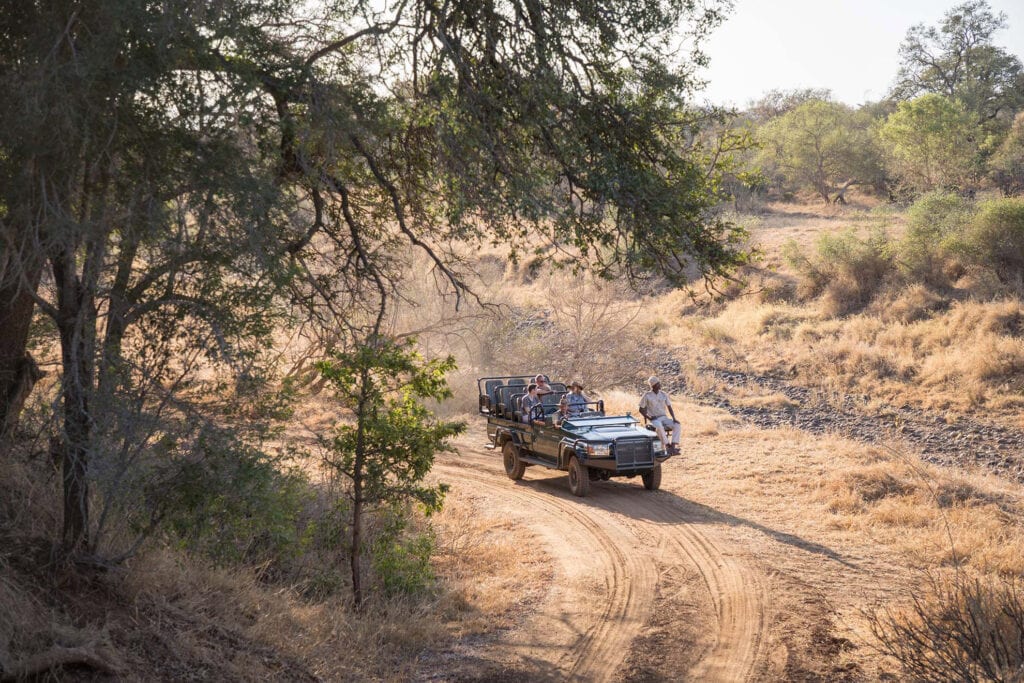
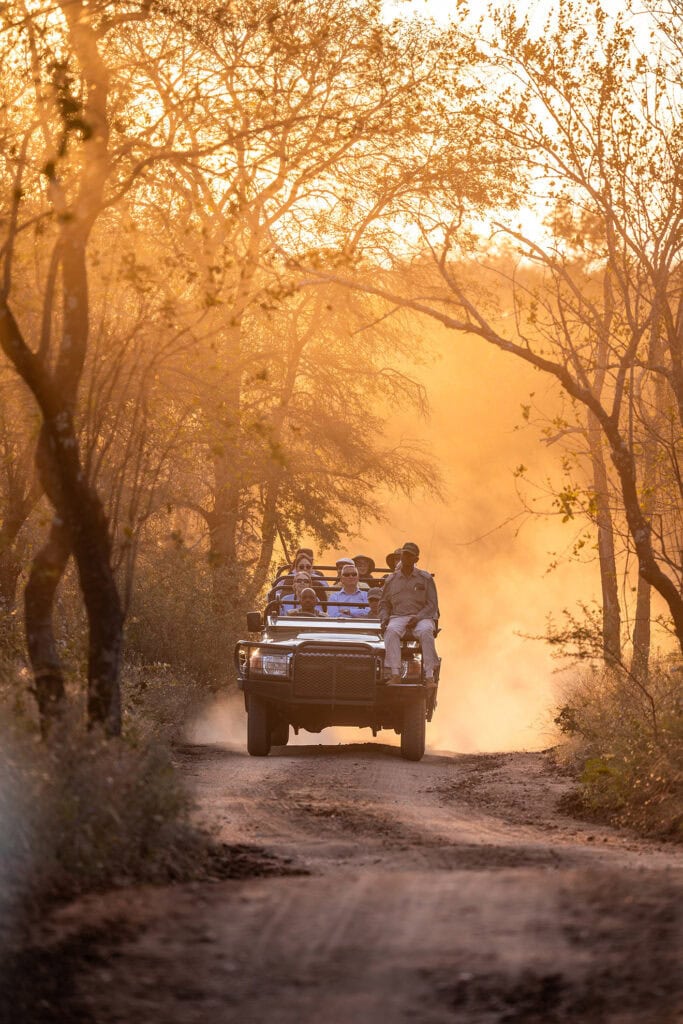
Often, the process itself becomes part of the reward. The slowing vehicle. The tracker leaning forward slightly. The sudden silence between radio calls. The feeling that something’s nearby, even before you see it.
The Golden Hours
The most productive leopard safaris unfold during the edges of the day.
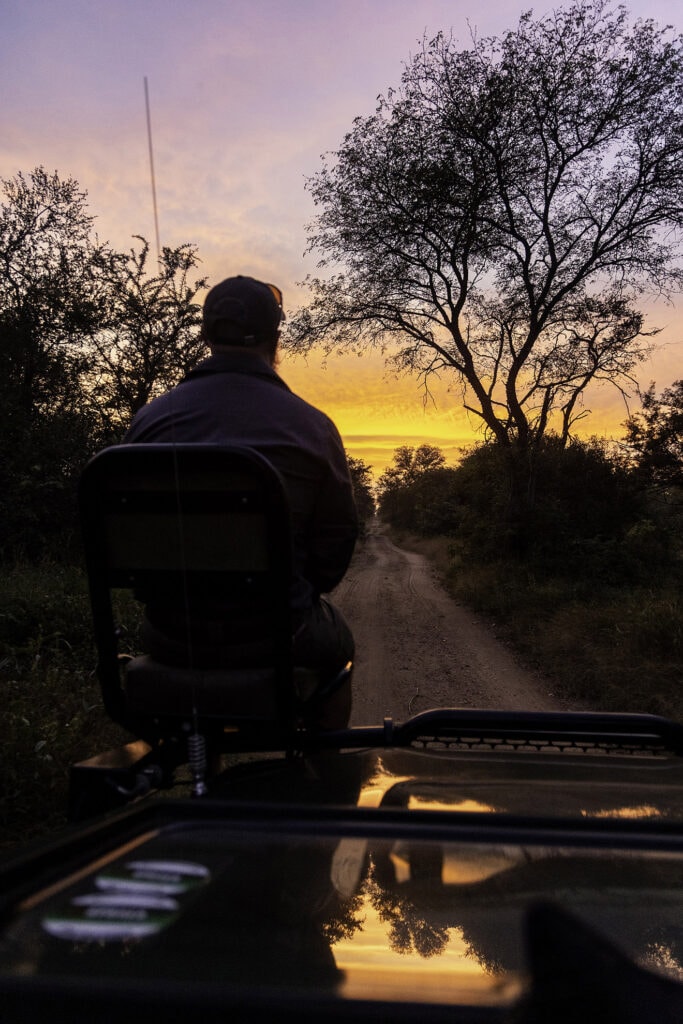
Early morning drives begin while mist still hangs low along the riverbanks and predators remain active from the night before. Evening drives move into the softer light of dusk, when the bush shifts once again and nocturnal movement begins.
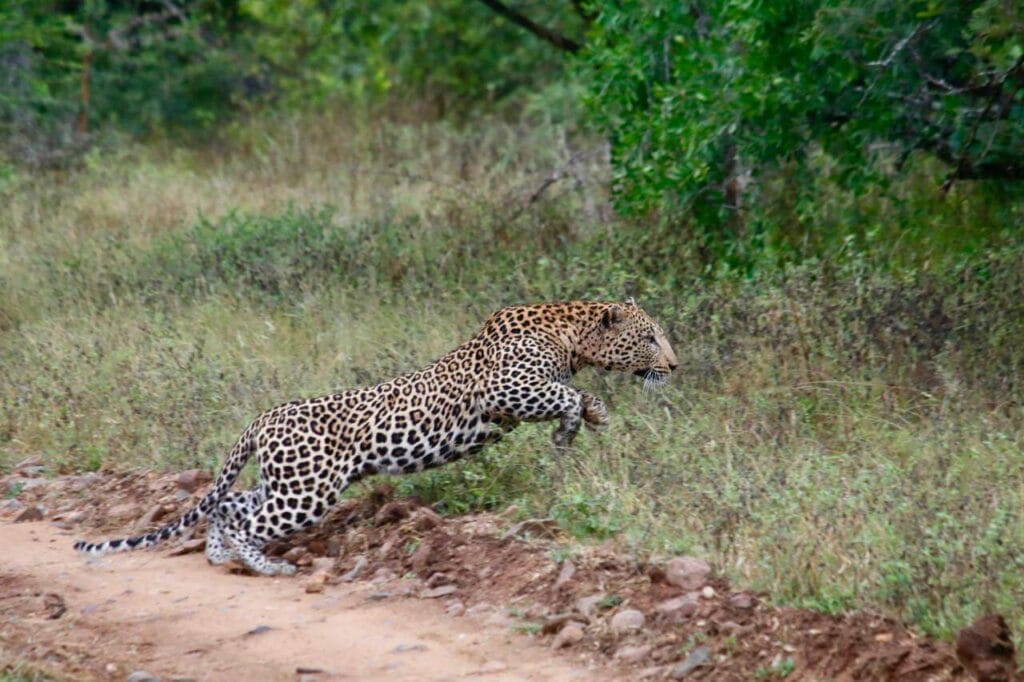
These transitional hours are when leopards are most likely to hunt, patrol territory, or move between resting sites.
Light also changes everything.
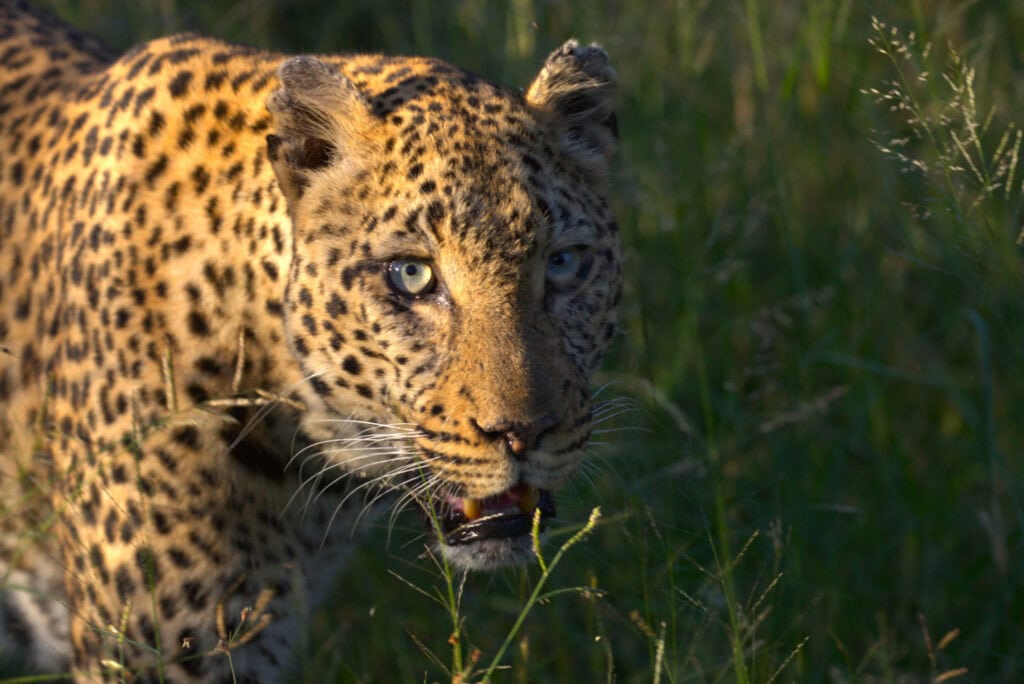
A leopard emerging from shadow at sunrise carries a completely different atmosphere from a midday sighting. The landscape softens. Sound sharpens. Every movement feels heightened.
This is why safari pacing matters. Leopard tours aren’t rushed experiences. They depend on patience, stillness, and time spent moving with the natural rhythm of the reserve.
Guests exploring the reserve’s curated safari offerings can learn more through Karongwe’s safari experiences, where each drive is shaped by the movement of the landscape itself.
The Spotlighting Experience
Night drives introduce an entirely different dimension to leopard safaris.
Once darkness settles fully over the bushveld, visibility narrows. Sound expands. The vehicle moves more slowly now, guided by torchlight and the experience of Karongwe’s guides and trackers.
Then comes the moment every tracker watches for: the brief reflective gleam of eyes caught in the spotlight.
Handled responsibly, spotlighting allows guides to locate nocturnal wildlife without disturbing natural behaviour. The beam never lingers harshly, and our experienced teams know how to minimise stress for the animals while allowing guests a rare glimpse into the bush after dark.
The Advantage of Private Reserves for Leopard Sightings
Karongwe is widely regarded as one of the leading leopard-viewing destinations within the Greater Kruger region, with regular sightings recorded throughout the year.
Guided Tracking
One of the greatest advantages of private reserves during leopard safaris is flexibility.
Private reserves allow trained guides to carefully track animals through the bush when conditions permit, creating opportunities for more meaningful sightings while still prioritising wildlife welfare.
At Karongwe, this approach allows guides to follow movement responsibly through riverine habitat and dense vegetation where leopards naturally spend much of their time.
It creates a more immersive form of tracking, one shaped by instinct, patience, and respect for the animal’s space.
Strict Vehicle Limits
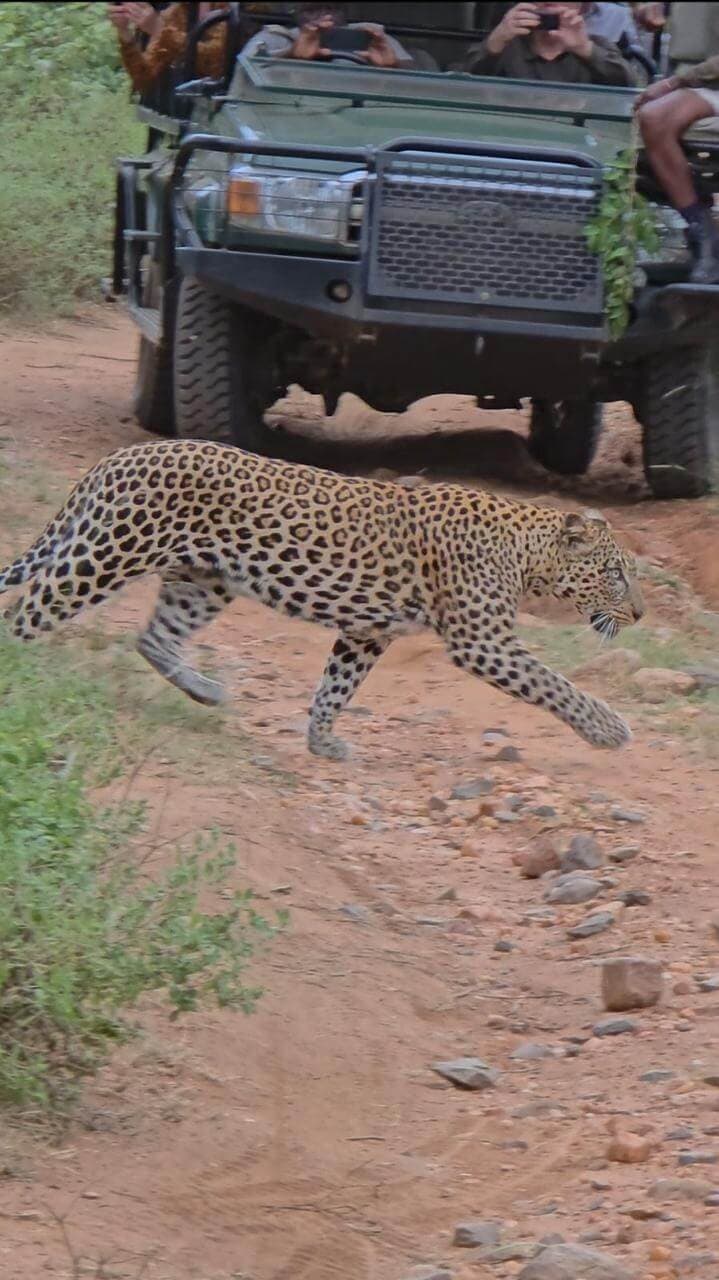
A leopard sighting changes quickly when too many vehicles arrive. Noise increases, and the animal’s behaviour can be affected. What should be an observation becomes more disruptive.
Private reserves manage this with strict limits on the number of vehicles allowed at a sighting. This reduces pressure on the animal and keeps the experience more natural for guests.
It also creates space for something more valuable than proximity: time. Time to observe behaviour, notice detail, and understand what is happening in the wider landscape.
The result is a quieter, more controlled experience that stays focused on the animal, not the crowd.
Why Leopards Thrive at Karongwe
Karongwe is recognised as one of the strongest leopard-viewing destinations within the Greater Kruger region.
A combination of healthy prey populations, extensive river systems, mature riverine vegetation and highly experienced tracking teams creates exceptional conditions for leopard sightings throughout the reserve.
While no ethical safari can ever guarantee a sighting, guests visiting Karongwe regularly enjoy encounters with these elusive cats, making the reserve one of South Africa’s leading destinations for leopard-focused safaris.
How to Prepare for Your Safari
Managing Expectations
Karongwe is widely regarded as one of the leading leopard-viewing destinations within the Greater Kruger region, with regular sightings recorded throughout the year.
However, even in exceptional leopard habitat, the bush remains unpredictable.
No ethical leopard safari can guarantee a sighting. Weather changes movement patterns. Predators travel vast territories. Some days the landscape reveals itself quickly. Other days it asks for patience.
That uncertainty is part of the experience.
The most rewarding leopard sightings are approached as an opportunity to experience the bush in its natural state, where every drive carries possibility and every sighting feels genuinely earned.
Camera Gear Essentials
Photographing leopards requires preparation for low light and fast movement.
Early morning and evening sightings often occur in dim conditions beneath dense vegetation, making cameras with good low light performance especially valuable. Telephoto lenses help capture detail without disturbing the animal, particularly when sightings occur deeper within riverine cover.
Patience matters here too.
Some of the most striking leopard photographs don’t come from perfect positioning, but from atmosphere: soft dusk light and textured shadow often define the best images .
Safari Attire
As mentioned earlier, leopards are most active at dawn and dusk, which is why safaris often extend into the cooler parts of the day when conditions in the bushveld can shift quickly, especially in winter.
Layered clothing is the most practical choice so you can adjust as temperatures change during the drive. Warm outer layers are useful for early mornings, while neutral colours help you blend into the environment. Comfortable, breathable fabrics also make longer time in the vehicle easier.
Why Leopard Sightings Stay With You
There’s a particular stillness that follows a leopard sighting.
Few wildlife encounters leave such a lasting impression.
Perhaps it comes from the rarity of the moment itself. Or from the awareness that the animal was never performing for you. It simply allowed your paths to cross briefly before returning to the landscape that shaped it.
That’s what makes leopard safaris so unforgettable.
Not only the sighting, but the tracking. The waiting. The listening. The understanding that every successful encounter depends on an ecosystem still functioning as it should: dense river systems, healthy prey populations, experienced trackers, and wilderness allowed to remain wild.
Leopard sightings are among the most sought-after experiences at Karongwe. Guests regularly encounter leopards moving through riverine vegetation, resting in mature trees or patrolling drainage lines throughout the reserve. While every sighting is unique, the combination of habitat, prey availability and skilled tracking contributes to consistently rewarding leopard-viewing opportunities.
The elusive leopard awaits. Check Karongwe’s current safari rates and start planning your stay now via the Karongwe enquiry page.
Frequently Asked Questions
More Stories