

From Local Hands – A Supply Chain Reimagined
From Local Hands – A Supply Chain Reimagined
Regeneration in Action
Every morning, before the first game drive vehicle rolls out, bread is already on its way.
Not from Johannesburg. Not from a distribution centre 1,000 kilometres away. From nearby. Six small bakeries. No preservatives. Flour, water, salt, heat and, a system that works because someone believed it could.
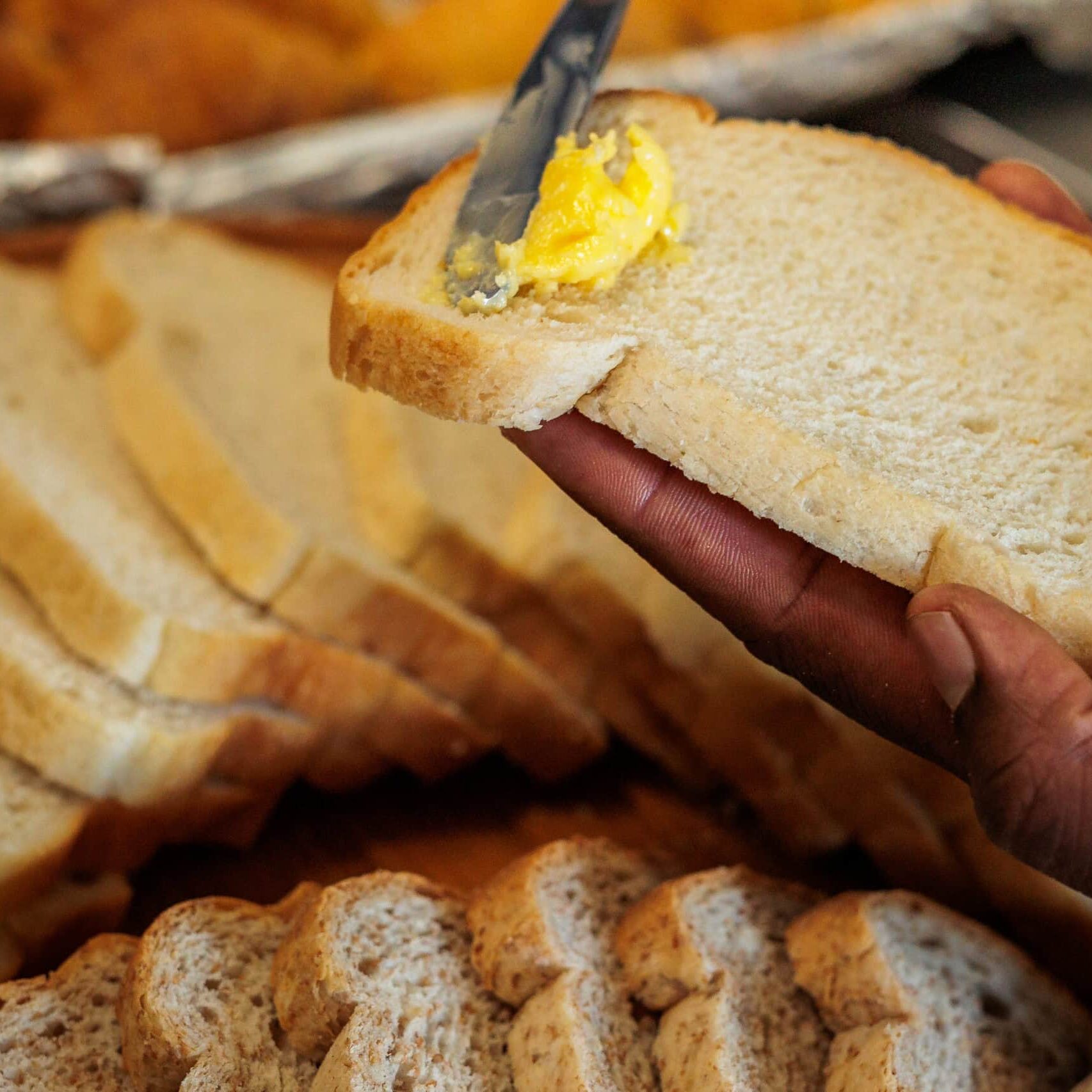
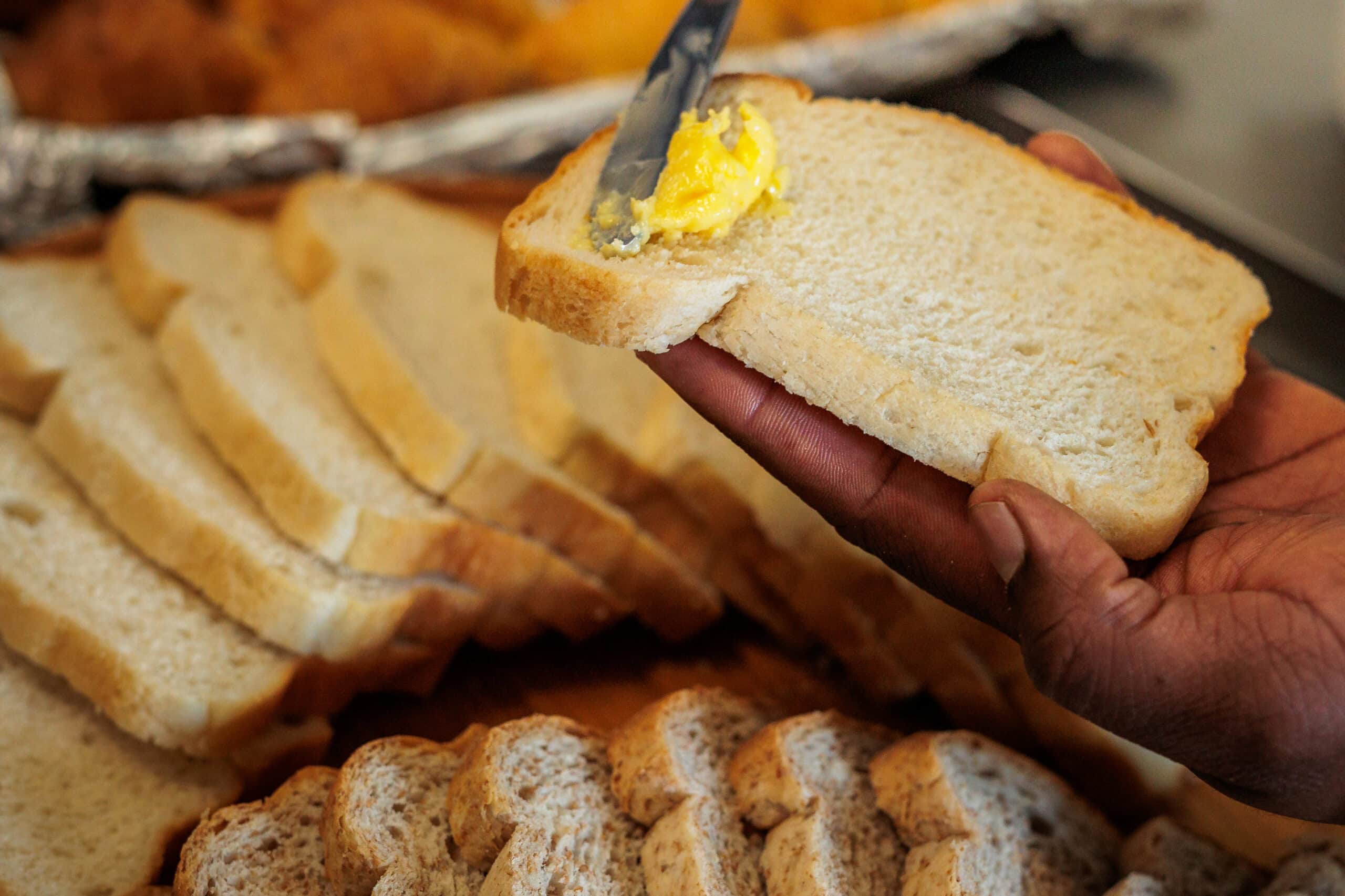
When Karongwe’s chefs did a blind taste test, the result was unanimous. The local loaf won. Softer crumb. Better crust. A five-day shelf life without chemical shortcuts.
But flavour wasn’t the only point. Local jobs were.
What began as a test bakery is now moving toward something more permanent. Experimenting with pasties and croissants Capacity is growing. Demand is building.
Four new jobs created already with more expected as the system expands. The saving? 22%. Meaningful, but not the motive. The fact that a local small business is safer for our business and that new jobs have been created is.
Because in this area, each job supports three to four children. One salary moves through an entire home – school uniforms, electricity, food security.
As Brett Bowes puts it simply: “Sustainable supply begins with investing in the people behind it, committing to demand for them, paying them COD.” This is conscious capitalism at ground level. Not charity. Not marketing. Just long-term thinking.
The same philosophy is shaping relationships with local growers – spinach, baby corn, patty pans, green beans. Produce that once travelled across 1,000 kilometres over two weeks to get to us now arrives fresh, often harvested within 24 hours. The chefs taste the difference. So do the guests.
Savings vary from 5% to 25%. Again, not the main objective. Job creation is. As importantly we have found that local farmers become more profitable and more sustainable – because they don’t have to pay the middlemen and for transport.
Egg procurement has already created four new roles and generated over R350,000 in turnover for a local supplier. Redirected kitchen waste has helped a nearby farmer grow his pig operation from seven animals to seventy three – sustaining one small business and creating employment in the process.
The safari economy can extract. Or it can circulate. At Karongwe, the choice is deliberate. Luxury here does not sit in isolation. It fuels something beyond itself.
Because regeneration isn’t a slogan. It’s a supply chain.
Find out more about what Regeneration means to us.
More Stories