

Packing for yourself is one thing. Packing for a family safari is another.
There are early mornings to prepare for, changing temperatures, long stretches in an open safari vehicle and the possibility that your child will consider a beetle more interesting than the elephant standing twenty metres away.
At Karongwe, a family safari moves between guided game drives, time around the lodge, afternoons beside the pool and evenings together. Knowing what to pack for each part of the day makes the experience considerably easier.
You don’t need to buy your children an entirely new safari wardrobe. A few practical essentials, something to keep them curious and an understanding of what to expect in the bush will go a long way.
Karongwe at a Glance:
- Private Big Five game reserve located within the UNESCO-recognised Kruger to Canyons Biosphere, just outside Hoedspruit
- Proud member of the Greater Kruger Environmental Protection Foundation (GKEPF)
- Six river systems create diverse wildlife habitats.
- Home to the Big Five, cheetah and African wild dog.
- Six distinctive luxury safari lodges, including Sepela Explorer Camp opening in April 2027
- Experienced guides and trackers delivering immersive wildlife encounters
- Guided by the philosophy of Safari with Soul—where conservation, regeneration and genuine hospitality come together
Before You Pack: Check Your Children’s Safari Activities
Not every safari activity is suitable for every age, and understanding what your children can participate in is an important part of planning your stay.
At Karongwe, game-drive participation depends on your child’s age and the applicable lodge policy. Children under four cannot join standard game drives, while children aged four and five may be accommodated on a private vehicle at the lodge’s discretion. Children aged six and older can generally participate in scheduled drives.
Guided bush walks have a minimum age of sixteen.
Individual lodges also have their own minimum guest ages, so it’s worth confirming your family’s accommodation and activity arrangements before travelling.
If you’re visiting with younger children, ask Reservations about suitable lodges, age-appropriate activities and the availability of the Little Paws Children’s Programme.
Mastering Your Safari Packing List Basics
Before deciding which outfits make the cut, there are two practical things every family should consider: how much you can bring and how often you actually need to change.
Understanding Luggage Constraints
If your journey includes a light-aircraft transfer, check your airline’s baggage allowance before packing. Some operators require soft-sided bags and impose strict weight and size limits. Families arriving by road may have more flexibility, so pack according to your actual travel arrangements rather than a generic safari luggage allowance.
A soft bag is easier to fit into the aircraft’s limited luggage compartment and is also more practical when moving between vehicles and accommodation. For families, it is worth resisting the temptation to pack for every possible scenario. A well-planned bag with versatile clothing will serve you far better than an overfilled suitcase.
Laundry and Packing Light
Children have a remarkable ability to get dusty before breakfast.
Pack comfortable clothes that can be worn in different combinations, along with a few spare outfits for unexpected spills, muddy shoes or particularly enthusiastic afternoons.
If you’re planning a longer stay, check whether laundry services are available at your chosen lodge and whether additional charges apply.
Kids Clothing Safari Packing: The Layering System
Safari mornings have a habit of starting cold and ending warm. For little ones, the trick is not to pack a wardrobe for every temperature, but to build an outfit that can change with the day.
Why Layering is Non-Negotiable
In the early hours of a winter game drive, the bush can be cold enough to warrant a warm jacket and beanie, with temperatures occasionally dropping close to 0 degrees. By midday, the landscape has warmed beneath the African sun, with temperatures climbing into the high 20s and low 30s.
Choose comfortable layers that can be added or removed as the bush warms up. A fleece, warm socks and a beanie are worth their space in the bag, particularly for early drives, while a light scarf can be tucked away once the sun appears.
Choosing the Right Colours
Neutral, earthy colours are practical for safari, particularly when exploring the bush on foot. But children don’t need a wardrobe of khaki. Comfortable clothing they already own is perfectly suitable for most game drives. Choose breathable fabrics, avoid anything precious and remember that white clothing rarely stays white for long in the Lowveld.
The Essential Clothing Checklist
To take one thing off your planning plate, we’ve put together an essential clothing checklist to make packing for your little adventurer that much easier.
For little feet: Comfortable closed-toe sneakers or trail shoes for exploring, with sandals or flip-flops for slow afternoons around the lodge and pool.
For chilly mornings: Fleece jacket, beanie, light scarf and warm socks.
For warmer afternoons: Breathable T-shirts, lightweight shorts and versatile trousers, including zip-off styles that can adapt as the temperature changes.
Kids Safari Packing: Entertainment for Downtime
A safari can be wonderfully slow-paced. For children, that can take a little getting used to. The excitement of a lion sighting or a herd of elephants is naturally followed by stretches of quiet driving, waiting and watching; and that is where a few well chosen items can make all the difference.
Engaging Them on Game Drives
Three hours in an open safari vehicle can feel like a long time for younger children, particularly when wildlife is not immediately in sight. Rather than keeping them entertained from start to finish, give them a reason to stay curious.
A pair of child-friendly binoculars gives them their own view of the bush and turns spotting into part of the adventure. Add a simple digital camera and suddenly they have a role to play: looking for tracks, photographing birds and recording the animals they discover along the way.
It is a small change, but one that can turn “Where are the animals?” into “I think I see something!”
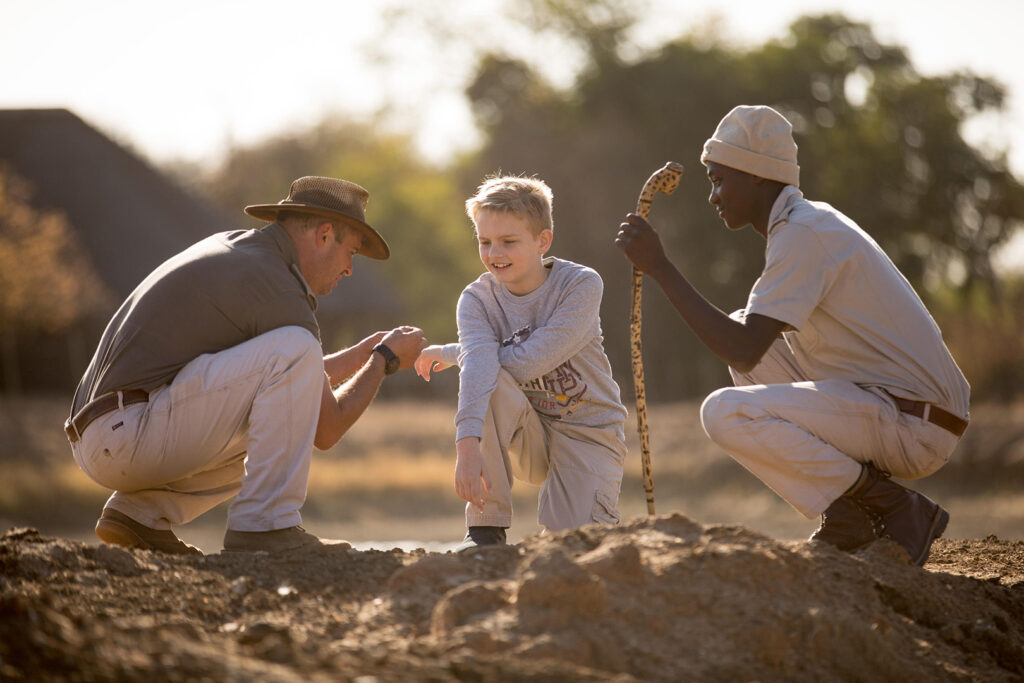
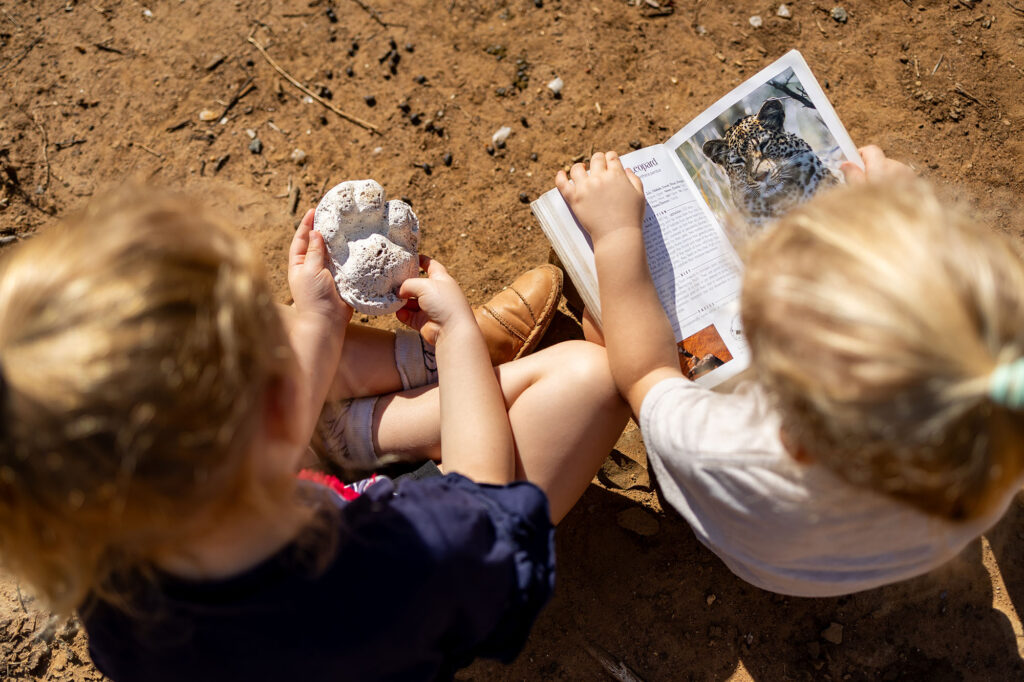
At Karongwe, your guide and tracker can introduce children to the smaller clues that make a game drive interesting: a fresh footprint, an alarm call or a bird they might otherwise overlook.
A little notebook gives younger guests somewhere to record what they discover, even on drives when the Big Five are keeping a low profile.
Lodge Downtime Essentials
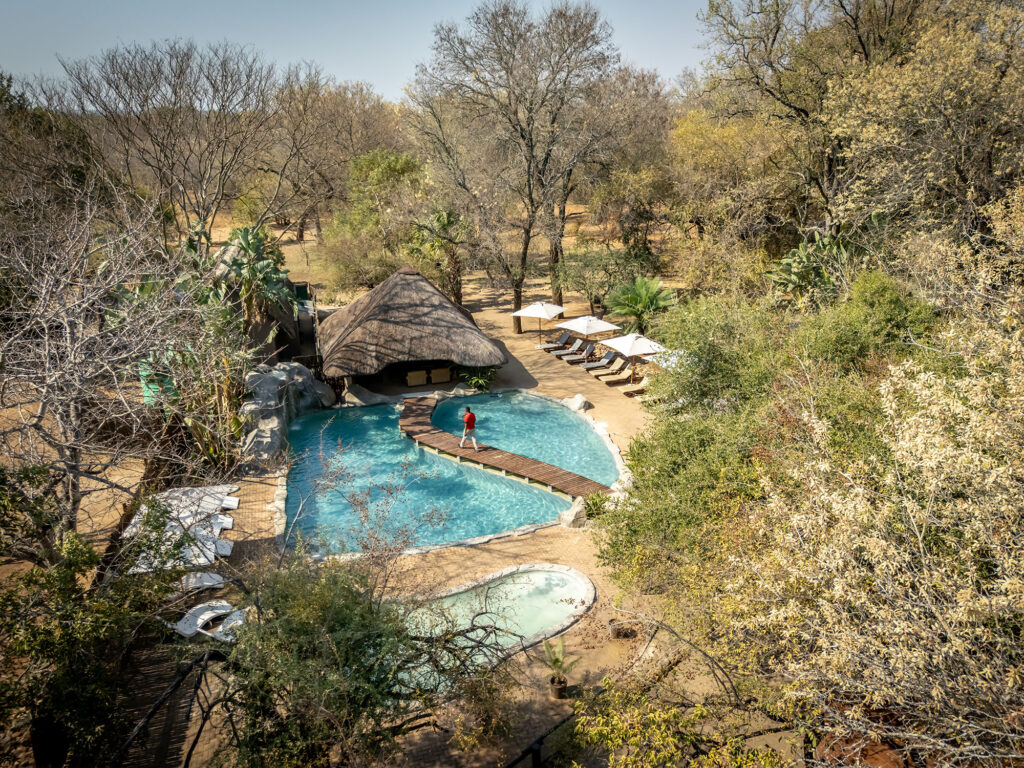
Between game drives, afternoons at the lodge are intentionally unhurried. There is time to swim, relax and take in the surroundings, but younger guests may appreciate having something familiar to do too.
Keep it simple with a wildlife colouring book, a travel-sized game such as Uno or Top Trumps, or a small journal for recording the day’s sightings. A child who has spent the morning watching elephants, lions or colourful birdlife can turn those encounters into drawings, stories and their own little safari record.
These are the things worth making space for in the bag: lightweight, easy to pack and capable of keeping little hands busy without taking them away from the experience they’ve come all this way to enjoy.ook forward to.






Sun Protection, Insect Repellent and Everyday Essentials
A day in the Lowveld can involve strong sunshine, dust and plenty of time outdoors. Pack broad-spectrum sunscreen suitable for your children’s ages, hats, sunglasses, insect repellent and reusable water bottles. A hat with a secure strap can be particularly useful on an open safari vehicle.
Bring any prescribed medication, familiar toiletries and a small first-aid kit with the everyday items your family uses.
Karongwe is situated in a low-risk malaria area, but families should consult their healthcare provider or travel clinic before departure for advice appropriate to their travel dates and individual circumstances.
If your child is prone to motion sickness, ask your healthcare provider about suitable precautions before travelling.
Don’t rely on finding a particular brand of children’s medication or personal-care product once you’re at the reserve.
Beating the African Sun
The South African sun can be intense, particularly when you’re spending several hours outdoors with no shade. Broad-spectrum SPF 50 sunscreen should be a daily essential, with regular reapplication throughout the day – trust us, it’s 100% necessary.
For extra protection, pack an SPF lip balm, UV-rated sunglasses and a wide-brimmed hat. A chin strap is a particularly useful addition for younger children; especially when the breeze picks up in an open safari vehicle and sends everything that isn’t secured gently into the bush.
Bug Protection and First Aid
A small, well-stocked bug protection and first aid kit can save you from having to search for everyday essentials once you’re at the lodge. Child-safe insect repellent, soothing bite cream and wet wipes are useful additions, particularly after dusty game drives and outdoor adventures.
If your child is prone to motion sickness, speak to your healthcare provider about an appropriate medication before travelling if you expect to spend long periods on winding or uneven dirt roads.
For families travelling to a malaria-risk area, it is also important to discuss malaria prevention and any recommended prophylaxis with your doctor or paediatrician before departure, as advice will depend on your destination, travel dates and individual circumstances.
Packing for Lodge Life at Karongwe
One of the pleasures of a luxury safari is that not everything needs to make its way into your suitcase. At Karongwe, many of the everyday essentials are already taken care of, leaving you to pack for the experience rather than every possible eventuality.
What to Pack for Time Around the Lodge
Swimwear, sandals, comfortable clothes for warmer afternoons and a favourite book or travel game can be just as useful as your game-drive clothing.
Pack for the hours between drives, not only the hours spent in the vehicle.
What Should Children Wear to Dinner?
Karongwe’s lodge atmosphere is relaxed. Children don’t need formal outfits for dinner, although a fresh change of clothes after a dusty afternoon drive can be welcome.
Comfortable trousers, shorts, dresses or a favourite shirt are all practical options. Bring a warmer layer for evenings spent outdoors.
Pack for the Little Things
The binoculars they’ll insist on carrying themselves. The fleece they’ll need before sunrise. The notebook that comes home filled with animal tracks, drawings and questions.
A family safari doesn’t require a suitcase full of specialist equipment.
At Karongwe, there’s a great deal for children to discover beyond the animals they came hoping to see. Sometimes it’s the smallest things that keep them looking.
Explore our family-friendly lodges and speak to Reservations about the safari experience that suits your children’s ages.
Discover Karongwe’s lodges and view our rates to start planning your South African safari.
Frequently Asked Questions About Big Five Safari Costs
More Stories


