

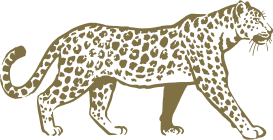
The silent flick of a tail in a marula tree.
The unmistakable “sawing” call drifting throughout the night. Spotting a leopard is the undisputed highlight of any African safari.
South Africa is one of the best places in the world to see wild leopards, with populations found across the Kruger ecosystem and many of the country’s leading private game reserves. Yet despite their widespread distribution, leopards remain the most elusive member of the Big Five, making every sighting feel truly earned.
For many travellers, the choice comes down to Kruger National Park or a private game reserve. Both offer remarkable wildlife experiences, but they provide very different ways of searching for one of Africa’s most sought-after predators.
Bordering the Greater Kruger ecosystem, Karongwe Private Game Reserve combines expert guides and trackers with off-road game viewing, creating exceptional opportunities to follow fresh signs and enjoy unforgettable leopard sightings.
Karongwe at a Glance:
- Private Big Five game reserve located within the UNESCO-recognised Kruger to Canyons Biosphere, just outside Hoedspruit
- Proud member of the Greater Kruger Environmental Protection Foundation (GKEPF)
- Six river systems create diverse wildlife habitats.
- Home to the Big Five, cheetah and African wild dog.
- Six distinctive luxury safari lodges, including Sepela Explorer Camp opening in April 2027
- Experienced guides and trackers delivering immersive wildlife encounters
- Guided by the philosophy of Safari with Soul—where conservation, regeneration and genuine hospitality come together
The Kruger National Park Experience
The Kruger National Park is one of Africa’s most iconic safari destinations, covering almost two million hectares of protected wilderness. Its southern and central regions support healthy leopard populations thanks to abundant prey, diverse habitats and extensive river systems.
However, the sheer scale of the park also presents its biggest challenge. Most visitors explore Kruger on self-drive safaris, searching for wildlife from standard vehicles while remaining on designated roads. Finding the “Prince of Stealth” under these conditions often depends on patience, timing and a sharp eye. For many travellers, the freedom of a self-drive safari is part of Kruger’s appeal. It allows visitors to explore at their own pace and experience one of Africa’s largest protected landscapes.
Leopards are infamous for blending effortlessly into dense vegetation and spend much of their time away from the roadside.
Kruger’s affordability and flexibility make it an excellent safari destination, but popular sightings can quickly become crowded, and vehicles cannot leave the road to follow wildlife.
For travellers whose priority is seeing a leopard, these limitations are often what lead them to compare the experience with a private reserve.
Why Private Game Reserves Offer a Different Leopard Experience
Private game reserves offer a very different approach to leopard viewing. Rather than relying solely on chance, experienced guides and trackers interpret fresh spoor, alarm calls and animal behaviour to understand where a leopard may be moving through the landscape.
When it is safe and appropriate, Karongwe’s guides can leave the road to follow a leopard into the surrounding bush, positioning vehicles for clear, rewarding views of the elusive leopard. Radio communication between guide teams also allows sightings to be shared while limiting the number of vehicles at each encounter, creating a quieter and more exclusive wildlife experience.
The advantage continues after sunset. Although leopards are active throughout the day, they often become more active during the cooler hours of early morning, late afternoon and after dark.
Why Karongwe is a Premier Choice for Leopard Safari Tours
Karongwe’s diverse riverine woodland, seasonal watercourses and rocky outcrops provide excellent habitat for leopards and the prey species they depend on. These varied environments also create ideal conditions for experienced guides and trackers to interpret fresh spoor and other signs left behind during the night.
Many of Karongwe’s resident leopards have become accustomed to safari vehicles being present, often allowing guests to observe natural behaviour without unnecessary disturbance. Rather than retreating into the bush, they often continue their natural behaviour, giving guests extraordinary opportunities to observe and photograph one of Africa’s most captivating predators.
Working alongside experienced safari guides, Karongwe’s trackers bring generations of traditional tracking knowledge to every game drive, reading subtle signs that many guests would never notice. Seated on the front of the safari vehicle, they read the signs of the bush to help locate leopards that might otherwise go unseen.
Together, these elements make Karongwe a premier destination for unforgettable leopard safari experiences.
Maximising Your Chances: Tips for Your Leopard Safari
While leopard sightings are never guaranteed, a few simple factors can significantly improve your chances.
The cooler winter months from May to September are often considered one of the best times for wildlife viewing, as thinner vegetation and limited water sources can make animals easier to spot.
Leopards are highly territorial and often move within established home ranges. Spending three or more nights at Karongwe gives you multiple game drives to explore different areas of the reserve, increasing the likelihood of encountering one as it follows its natural movements.
Finally, learn to look beyond the obvious. Listen as carefully as you look. Alarm calls from impala, baboons or guinea fowl often provide guides and trackers with valuable clues that a leopard may be nearby. Sometimes, it’s the smallest detail that leads to the safari sighting you’ll never forget.
Choosing the Right Leopard Safari Experience
Whether you choose the vast wilderness of the Kruger National Park or the exclusivity of a private reserve, searching for a leopard is one of Africa’s most rewarding safari experiences. The right choice depends on the safari experience you’re looking for. For travellers who value expert guiding, experienced trackers, intimate wildlife encounters and the opportunity to better understand leopard behaviour, Karongwe offers a rewarding private safari experience within one of South Africa’s most remarkable wildlife landscapes.
At Karongwe, a leopard safari is about more than simply ticking a sighting off your list. It’s about reading the signs of the bush, following the expertise of experienced guides and trackers, and experiencing the excitement of every moment leading up to that unforgettable encounter.
Ready to find the African leopard? Book your stay at Karongwe Private Game Reserve and join our expert guides and trackers for an unforgettable leopard safari experience.
Frequently Asked Questions
More Stories


