

Wild Dog Conservation at Karongwe
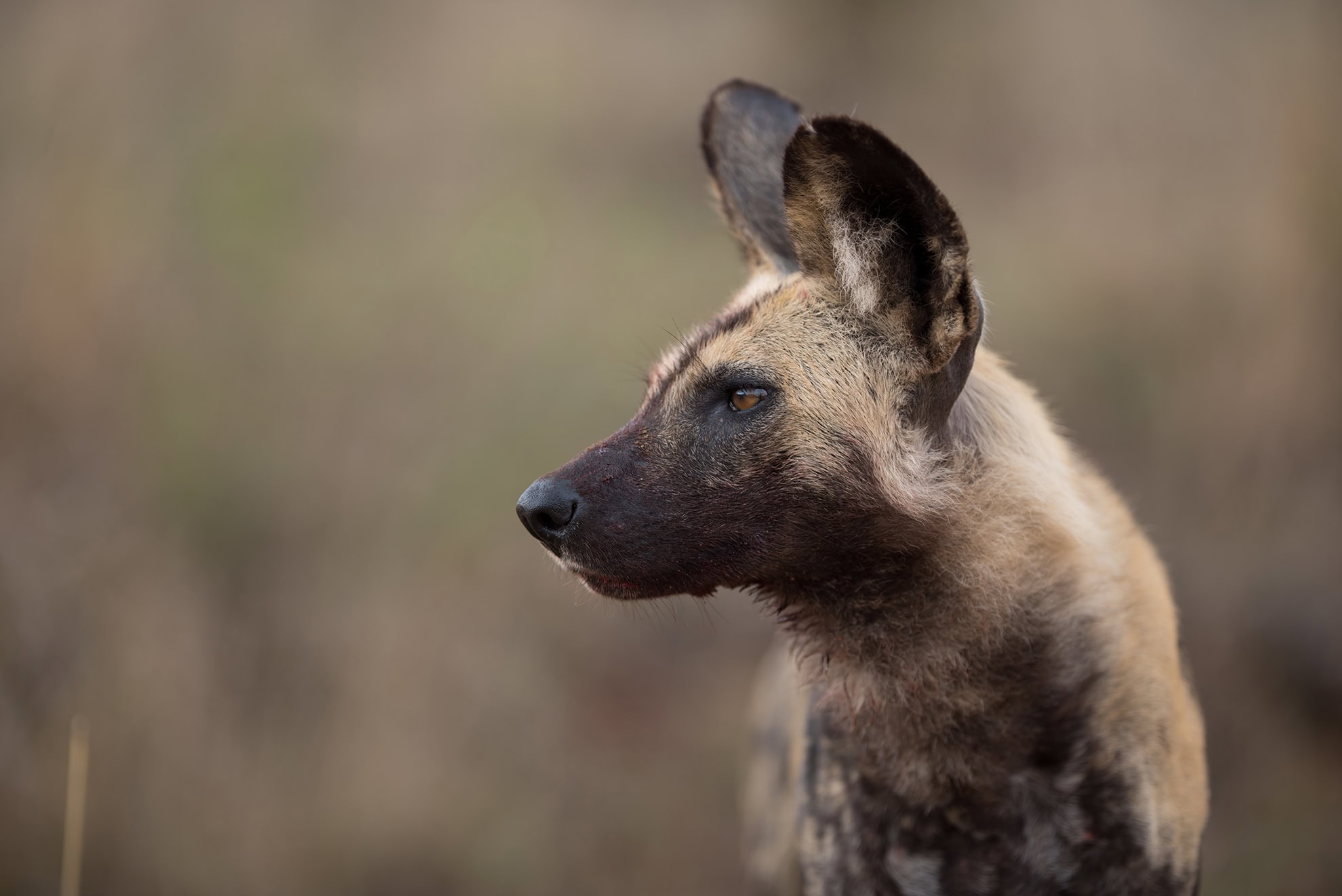
Wild Dog Conservation at Karongwe
As the Wild Allows
In the hush before movement, the gate opened.
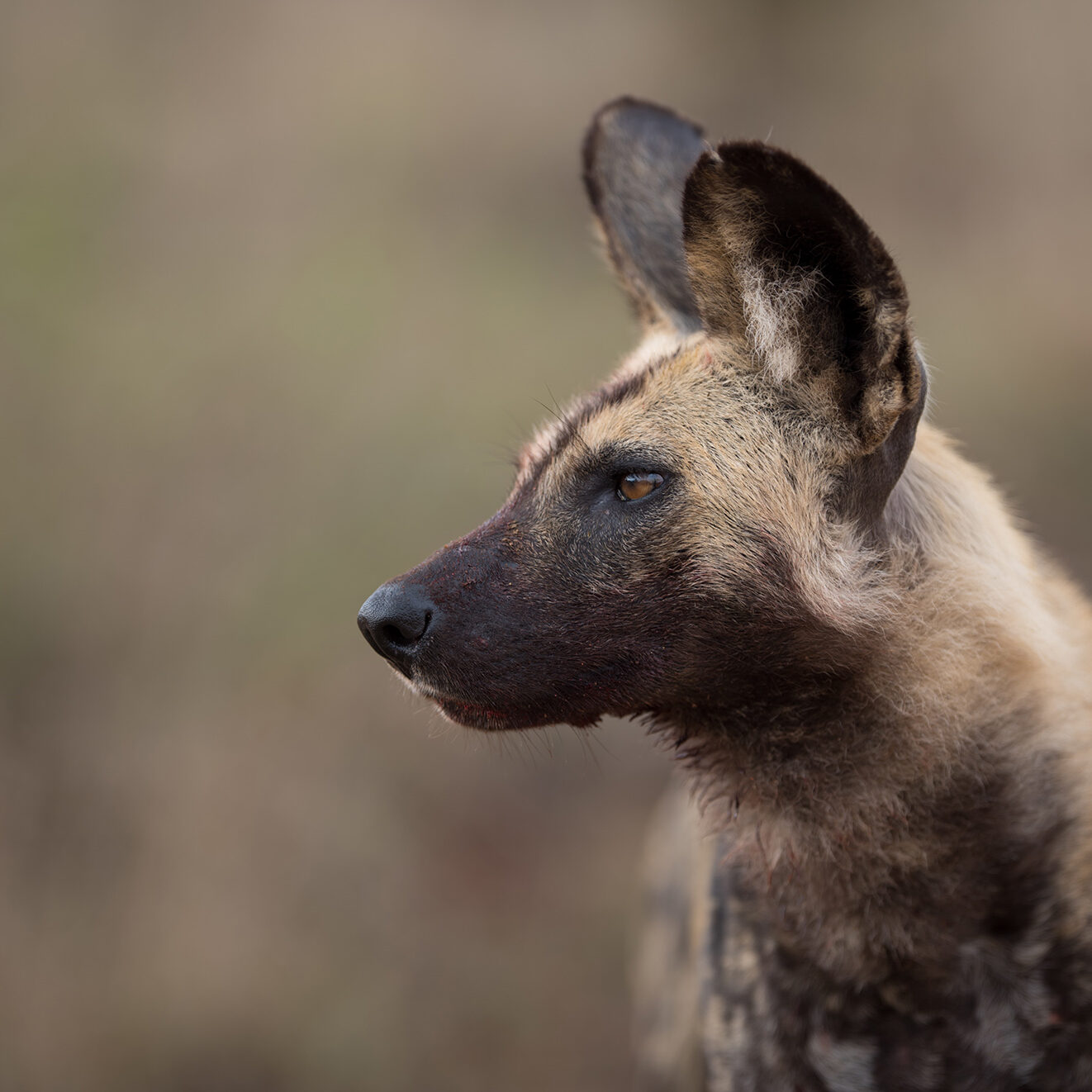
The female moved first. Not hurried. Not hesitant. She paused, tested the air, and stepped forward – leading by instinct rather than urgency. The land beyond the boma was already familiar to her, its rhythms known. This moment was not about release alone, but recognition.
What followed was not chance. It was the result of careful, deliberate conservation work – undertaken with patience, science, and deep respect for the wild. At Karongwe, conservation is never rushed. Nor is it guaranteed. It unfolds within a living system that ultimately determines its own outcomes.
African wild dogs are among the continent’s most endangered predators. Highly social and wide-ranging, their survival depends on strong bonds, sufficient space, and intact ecosystems. Reintroducing them is complex, and success is never separate from the broader predator landscape in which they live.
Karongwe’s wild dog journey began over a year ago with the introduction of a bonded male and female. The pair settled well, remaining on the reserve and showing no signs of dispersal – a meaningful outcome for a species known to travel vast distances. Over time, however, the male was lost to a lion – a reminder that conservation does not exist outside the natural hierarchy, but within it.
The female remained.
Rather than retreating from loss, the team responded with precision. She was placed into a holding boma – not as a reaction, but as a considered next step. In wild dog conservation, timing matters. Intervention must be measured, informed, and restrained.
Working in partnership with the Endangered Wildlife Trust, two males were sourced from a partner reserve running a leading African wild dog conservation programme. Introducing unrelated wild dogs carries inherent risk and requires experience, preparation, and trust in process.
All three were placed together in the boma for six weeks – a crucial period designed to allow bonds to form. During initial immobilisation, urine and faecal samples were collected and shared between them, a proven conservation technique used to unify scent. In wild dog society, scent is identity. It is how belonging is recognised.
The signs came quickly.
Within days, the males began scent-marking over the female’s markings – an early indicator of acceptance and cohesion. Even more encouraging, mating was observed while still in the boma, suggesting a level of comfort and bonding that exceeded expectations.
When release day arrived, it was once again the female who led. She stepped forward first, followed by one male without hesitation. The second paused briefly before joining. For a time, Karongwe held three wild dogs moving through the landscape.
The system responded.
Recently, one of the males was lost to a lion – a natural interaction within a functioning predator hierarchy. The loss underscored a truth at the heart of conservation: success is not defined by the absence of risk, but by whether a system continues to function.
Two remain. One female. One male.
Importantly, the pair has stayed on the reserve, showing no signs of dispersal — a meaningful indicator that the landscape is still supporting them.
“What matters most is not the absence of loss,” says Brett Bowes, Executive Director of Karongwe. “It’s whether the landscape continues to support life. The fact that this pair has remained tells us the system is still holding – and that’s where conservation begins.”
Recent flooding across parts of the reserve has altered movement patterns, temporarily limiting predator access in certain areas. These shifting conditions have unintentionally created space for the pair to move and settle with reduced pressure.
Whether the female is pregnant remains unknown at this time. What is clear is that the essential conditions are present: a bonded pair, sufficient space, available prey, and a landscape capable of supporting complexity.
Monitoring continues quietly and consistently. Movements are tracked. Space is respected. Intervention remains measured.
Wild dog conservation is rarely linear. It is shaped by patience, adaptation, and humility. Success is not certainty – it is possibility, held within a system that is alive, responsive, and ultimately wild.
The story continues. Two wild dogs move through the reserve. The landscape responds. And as the system unfolds, so does hope – shaped by the wild itself.
Stay with the story. We will share further updates as the pair settles, and as the wild decides what comes next. In the meantime, find out more about what Regeneration means to us.